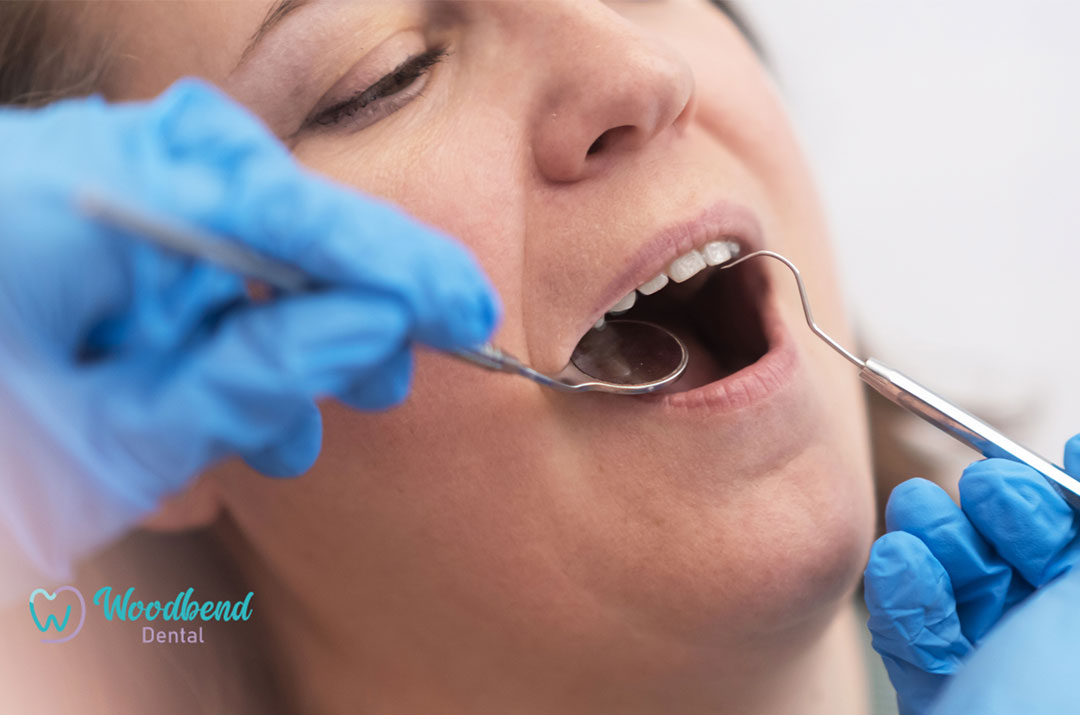
Just like with anything else, prevention is key when it comes to your family’s dental health. In this blog post, you will learn about some common dental issues that families face and practical tips on how to prevent them. Following these simple steps can help keep your family’s smiles joyful and healthy for years to come.
Understanding Common Dental Issues in Families
Tooth Decay and Cavities
Little ones in your family are especially prone to tooth decay and cavities due to their love for sugary snacks and lack of proper brushing and flossing habits. As a parent, it’s vital to monitor your children’s oral hygiene routines and limit their intake of sugary foods and drinks to prevent tooth decay.
Gum Disease and Gingivitis
There’s a common misconception that gum disease and gingivitis only affect adults, but the truth is that these dental issues can also impact children and teenagers. Poor oral hygiene, hormonal changes during puberty, and certain medications can increase the risk of gum disease in younger individuals.
If left untreated, gum disease can progress and lead to more severe oral health problems, including tooth loss and bone damage. Therefore, it’s crucial to educate your family members about the importance of regular brushing, flossing, and dental check-ups to prevent gum disease and gingivitis.
Tooth Sensitivity and Enamel Erosion
While tooth sensitivity and enamel erosion may not seem like urgent dental issues, they can cause discomfort and affect your family’s quality of life. Acidic foods and beverages, aggressive brushing techniques, and certain medical conditions often cause these problems.
Erosion of tooth enamel can weaken teeth and increase sensitivity to hot, cold, and sweet foods. To prevent these issues, encourage your family to consume a balanced diet, use a soft-bristled toothbrush, and seek professional dental care for guidance on managing tooth sensitivity and enamel erosion.
There are several factors that contribute to dental issues in families.
Some factors can contribute to the dental issues that families may face. Understanding these factors can help you take proactive steps to prevent these problems from occurring in your family.
Genetics and Hereditary Traits
Contributing to dental issues in families are genetics and hereditary traits. From generation to generation, genes can pass down certain dental issues, such as crooked teeth or cavities susceptibility. Knowing your family’s dental history can give you insight into what problems to watch out for and help you take preventive measures.
Diet and Nutrition
There’s a strong connection between diet and dental health. The foods you eat can impact the health of your teeth and gums. A diet high in sugar and acidic foods can contribute to tooth decay and gum disease. Nutrition plays a crucial role in maintaining excellent oral health, so choosing a balanced diet rich in vitamins and minerals is vital for preventing dental issues.
Oral Hygiene Habits
Little daily habits, such as brushing and flossing, can significantly impact your dental health. Proper oral hygiene is crucial for preventing cavities, gum disease, and other dental problems. Establishing a routine that includes brushing twice a day, flossing daily, and visiting the dentist regularly can help you maintain a healthy smile.
Environmental Factors
A variety of environmental factors can influence your family’s dental health. These factors include access to fluoridated water, socioeconomic status, and even stress levels. This underscores the importance of creating a supportive environment that promotes positive oral hygiene habits for the entire family. This can help reduce the risk of dental issues and promote overall well-being. To effectively prevent dental issues in your family, it’s vital to address these contributing factors and take proactive steps to promote excellent dental health. By being mindful of genetics, diet, oral hygiene habits, and environmental influences, you can help ensure that your family maintains healthy smiles for years to come.
How to Prevent Tooth Decay and Cavities
Tips for Healthy Eating Habits
Maintaining healthy eating habits is now one of the best ways to prevent tooth decay and cavities. Make sure to limit sugary and acidic foods and drinks in your diet. These can contribute to tooth enamel erosion and decay over time.
- Choose water over sugary beverages.
- Avoid frequent snacking on sweets.
- Incorporate more fruits and vegetables into your meals.
Assume that what you eat and drink has a direct impact on your teeth’s health. By making conscious choices to eat a balanced diet, you can protect your teeth from decay and cavities.
Proper brushing and flossing techniques
With any dental care routine, proper brushing and flossing techniques are necessary for maintaining excellent oral health. Remember to brush your teeth at least twice a day for two minutes each time. Use fluoride toothpaste and a soft-bristled toothbrush to gently clean all surfaces of your teeth.
Another important aspect of oral hygiene is flossing. Be sure to floss once a day to remove plaque and food particles from between your teeth and along the gumline.
Regular Dental Check-Ups and Cleanings
Prevent tooth decay and cavities by scheduling regular dental check-ups and cleanings. Your dentist can detect early signs of decay and address any issues before they escalate. A cleaning can remove plaque and tartar buildup, lowering your risk of cavities.
Cleanings are also crucial for maintaining healthy gums and preventing gum disease. Your dentist will be able to assess the overall health of your mouth and provide personalized care to keep your teeth and gums in optimal condition.
Preventing Gum Disease and Gingivitis
Effective Oral Hygiene Routines
On a daily basis, you can prevent gum disease and gingivitis by following effective oral hygiene routines. This includes brushing your teeth at least twice a day with a fluoride toothpaste, flossing daily to remove plaque from between your teeth, and using an antiseptic mouthwash to kill bacteria that cause gum disease.
Managing Stress and Anxiety
While you may not realize it, stress and anxiety can contribute to the development of gum disease and gingivitis. Stress weakens your immune system, making it more difficult for your body to fight off infections, including those that affect your gums. In times of stress, you may also be more likely to neglect your oral hygiene habits, further exacerbating the issue.
Oral hygiene is not just about brushing and flossing; it also involves taking care of your mental health. Practices such as mindfulness, meditation, and exercise can help reduce stress levels and improve your overall well-being, which in turn can benefit your oral health.
Avoiding Tobacco and Smoking
Smoking and tobacco are some of the most significant risk factors for gum disease and gingivitis. If you are a smoker, you are at a much higher risk for developing these oral health issues. The chemicals in tobacco products not only stain your teeth and contribute to foul breath but also significantly increase inflammation and reduce blood flow to your gums, making them more susceptible to infection.
Quitting tobacco and smoking is one of the best things for your oral health. Eliminating these habits not only reduces your risk of gum disease and gingivitis, but also improves your overall health and well-being.
Managing Tooth Sensitivity and Enamel Erosion
After identifying tooth sensitivity or enamel erosion in your family, it’s necessary to take action to manage these issues effectively. Here are some key strategies to help you prevent further damage and discomfort.
Desensitizing Toothpaste and Mouthwashes
One way to address tooth sensitivity is to use desensitizing toothpaste and mouthwashes. These products contain ingredients that help block the nerve signals in your teeth, reducing sensitivity to hot, cold, or sweet foods and drinks. Incorporating these into your oral hygiene routine can gradually alleviate the discomfort associated with sensitive teeth.
Avoid acidic foods and drinks.
Toothpaste, acidic foods, and drinks can contribute to enamel erosion, leading to increased tooth sensitivity and a higher risk of cavities. It’s crucial to limit your consumption of acidic items such as citrus fruits, sodas, and vinegar-based dressings. When these foods and drinks come into contact with your teeth, they can wear down the protective enamel layer, making your teeth more vulnerable to sensitivity and decay.
Drinks
Using a Straw When Drinking
On top of avoiding acidic beverages, using a straw when drinking can also help minimize contact between the liquid and your teeth. This simple technique allows you to enjoy your favorite beverages while reducing your teeth’s exposure to potential erosive substances. Sipping through a straw positioned towards the back of your mouth can help protect your enamel and maintain your oral health.
When
Additional Tips for a Healthy Smile
All families strive for healthy smiles, and there are a few additional tips you can follow to maintain good oral hygiene. This includes:
- Brushing your teeth twice a day with fluoride toothpaste
- Flossing is done daily to remove plaque and food debris.
- Limiting sugary foods and drinks
- Scheduling regular dental check-ups and cleanings
This will help prevent common dental issues and keep your family’s smiles bright and healthy
Fluoride Supplements and Treatments
Even with good oral hygiene practices, fluoride supplements and treatments can further strengthen your teeth and prevent cavities. Children who don’t get enough fluoride from drinking water may benefit from supplements prescribed by their dentist. Fluoride treatments during dental visits can also provide an extra layer of protection against tooth decay.
Sealants and Dental Bonding
Bonding is a popular treatment that involves applying a tooth-coloured resin to teeth to enhance their appearance and protect them from decay. Sealants are thin protective coatings applied to the back teeth’s chewing surfaces to prevent cavities. Sealants and dental bonding are both effective ways to maintain a healthy smile and prevent future dental issues.
Smile confidently knowing that these treatments can help keep your family’s teeth strong and protected.
Orthodontic Care and Aligners
Care for your teeth goes beyond just brushing and flossing. Orthodontic care can help ensure proper tooth alignment and correct bite issues. Whether it’s traditional braces or clear aligners, orthodontic treatment can help straighten your teeth for a beautiful smile and improved oral health.
Aligners, like Invisalign, offer a discreet way to straighten your teeth without the hassle of metal braces. They are removable for easy cleaning and allow you to eat your favourite foods without restrictions. With orthodontic care and aligners, you can achieve a straighter smile with minimal disruption to your daily life.
Conclusion
In conclusion, it is critical to be proactive in preventing common dental issues in your family. By following a consistent oral hygiene routine, such as brushing and flossing regularly, maintaining a healthy diet, and visiting the dentist for regular check-ups, you can reduce the risk of developing cavities, gum disease, and other oral health problems. Additionally, educating your family members about the importance of proper oral hygiene practices can help ensure everyone maintains healthy smiles for years to come.