Over the years, caffeine has become a staple in many people’s daily routines, but you may not realize how it impacts your oral health. While caffeine can provide a quick energy boost, it also has several effects that can influence the condition of your teeth and gums.
From its role in dry mouth to its potential to stain your teeth, understanding these effects can help you make informed choices about your caffeine consumption. In this post, we’ll explore how caffeine interacts with your oral health and offer tips for maintaining a bright, healthy smile.
Key Takeaways
- Excessive caffeine intake can cause dry mouth, increasing the risk of tooth decay and gum disease.
- Caffeinated beverages may stain teeth and erode enamel over time.
- Maintaining good oral hygiene and moderating caffeine consumption helps protect your smile.
Caffeine’s Role in Dental Erosion
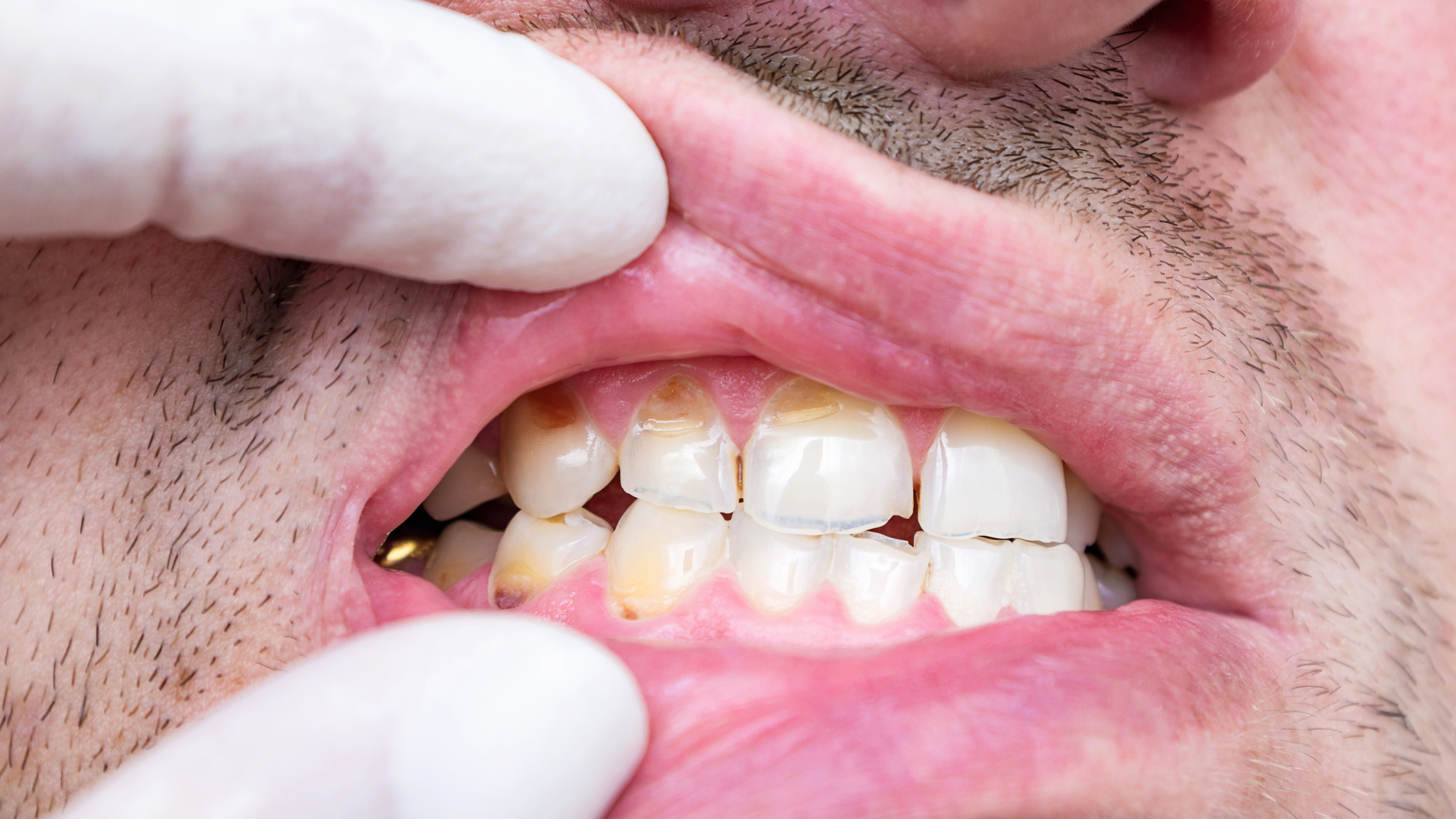
Dental erosion is a significant concern linked to the consumption of caffeinated beverages. The acidity of many of these drinks can lead to the gradual wearing away of tooth enamel, which is essential for protecting your teeth.
Frequent exposure to acids can increase the risk of cavities and other dental issues. Understanding how caffeine contributes to this process can help you make informed choices about your oral health.
“While caffeine offers a quick energy boost, it’s important to balance it with protective habits that safeguard your enamel from its acidic effects.”
– Dr. Manjot Dhaliwal, A Dentist in Leduc, Alberta, Canada
The Science of Acid Production
Caffeinated drinks, particularly sodas and energy drinks, often contain acids like phosphoric and citric acid, which can significantly lower the pH level in your mouth. This acidic environment promotes the demineralization of enamel, leading to increased susceptibility to dental erosion.
When you consume these beverages, the acid can remain in your mouth for extended periods, especially if you sip them slowly or have them frequently throughout the day.
Impact on Enamel Integrity
The integrity of your enamel is threatened by the regular consumption of high-acidity caffeinated products. Enamel erosion weakens your teeth, making them more vulnerable to decay and sensitivity.
Over time, you may experience increased discomfort from hot or cold foods, along with cosmetic concerns such as discoloration or a rough texture. While you might enjoy the energizing effects of caffeine, consistent erosion of enamel puts your oral health at risk.
When enamel thins, it exposes underlying dentin, which can be significantly more sensitive and porous. This transition often leads to a cascade of complications: you might find yourself more prone to cavities and have a diminished ability to remineralize your teeth naturally.
Studies show that a pH level below 5.5 can begin the demineralization process, and many popular caffeinated drinks fall into this harmful category. Offering little nutritional value, the temporary pick-me-up from these beverages comes with a long-term cost to your dental integrity, which should not be overlooked.
The Connection Between Caffeine and Gum Health
Gum health can be significantly influenced by caffeine consumption. Research shows mixed effects of caffeine on gum health.
While some studies suggest habitual caffeine intake may contribute to increased risk of gum disease, other research indicates that coffee consumption may have protective effects on periodontal health due to its antioxidant and anti-inflammatory properties. Additionally, caffeinated beverages often contain sugar and acid, further complicating their effects on your gums.
Inflammation and Caffeine Consumption
Inflammation is a key player in gum health, and caffeine consumption may exacerbate this condition. Research indicates that caffeine has conflicting effects on indicators of inflammation.
Some studies indicate that coffee’s antioxidant properties may actually lessen inflammation, while others relate higher caffeine intake to higher inflammatory markers associated with periodontal disease. As your gums become more inflamed, you may experience further complications, such as receding gums and increased tooth sensitivity.
The Role of Caffeine in Dry Mouth and Its Consequences
Caffeine can also contribute to dry mouth, a condition that affects your overall oral health. When your mouth is dry, the natural defense mechanisms that saliva provides become compromised, leading to higher risks of cavities and gum disease.
This reduction in saliva can foster an imbalance in oral bacteria, further aggravating oral health problems.
Saliva plays a vital role in neutralizing acids and washing away food particles, which helps prevent the growth of harmful bacteria. When caffeine dries out your mouth, the decrease in saliva flow can significantly elevate the chances of dental decay and gum complications.
Studies have shown that individuals who consume high amounts of caffeine often report dry mouth symptoms, which can contribute to a cycle that exacerbates oral health issues. Staying hydrated and considering your caffeine sources can help mitigate these risks while supporting your dental wellbeing.
Caffeine’s Influence on Oral Microbiome
Understanding Microbiome Dynamics
The oral microbiome consists of a complex network of microorganisms that play a vital role in your oral health. These microbes help maintain a balanced ecosystem, which can prevent issues like tooth decay and gum disease.
Factors such as diet, hygiene practices, and environmental influences constantly reshape this microbial community. When you consume caffeine, its effects can alter microbial populations, leading to either a more favorable or detrimental oral environment.
The Protective and Harmful Effects of Caffeine
While caffeine can provide temporary stimulation that may improve your focus, it can also impact your oral health both positively and negatively. Caffeine has two effects on oral microorganisms, according to studies.
The main bacteria that causes dental cavities, Streptococcus mutans, is susceptible to the antibacterial and antiadhesive effects of coffee prepared from roasted beans. But coffee also causes dehydration, which can exacerbate dry mouth and possibly upset the delicate balance of the oral microbiota.
This means that, depending on your consumption habits, you may be enhancing or compromising your dental health.
The dual effects of caffeine on your oral microbiome stem from its ability to influence bacterial growth and hydration levels in your mouth. Certain pathogens that lead to gum disease may thrive in an acidic environment, while caffeine’s potential antibacterial properties could suppress the growth of some of these harmful strains.
On the flip side, if your caffeine intake causes dry mouth, the resulting decrease in saliva can create a breeding ground for detrimental bacteria. Balancing caffeine intake with adequate hydration and dental hygiene is essential for optimal oral wellness.
Practical Tips for Dental Health in a Caffeinated World
Your relationship with caffeine doesn’t have to compromise your dental health. With a few mindful practices, you can enjoy your favorite caffeinated drinks while keeping your mouth in good shape.
Here are some practical tips to consider:
- Limit sugary additives in your beverages.
- Opt for iced versions of coffee and tea to reduce acidity.
- Drink water alongside or after your caffeinated beverages.
- Use a straw to minimize contact with teeth.
- Consider fluoride varnishes or antibacterial rinses if consuming caffeine regularly.
These practices will help mitigate some of the negative effects caffeine can have on your oral health.
Best Practices for Consuming Caffeine Safely
Selecting your caffeine sources wisely is key. Stick with options that are lower in acidity, such as green tea or cold brew coffee, to help protect your enamel.
Avoid drinking sugary caffeinated beverages, which not only contribute to cavities but also exacerbate acidity. If you prefer lattes or frappuccinos, opt for sugar-free versions when available.
Pairing caffeine with fibrous foods like apples or carrots can help stimulate saliva production, which naturally combats acidity.
Recommended Oral Hygiene Routines for Caffeine Drinkers
To maintain optimal dental health while enjoying caffeine, establish a robust oral hygiene routine. Consistently brushing your teeth at least twice a day with fluoride toothpaste is imperative.
Floss daily to remove plaque buildup between your teeth and use an antibacterial mouthwash to reduce harmful bacteria. Another effective practice is waiting at least 30 minutes after consuming caffeine before brushing, as the enamel may be temporarily softened and more susceptible to damage.
This time allows your saliva to help neutralize the acid in your mouth.
Additionally, investing in a quality electric toothbrush can enhance your brushing effectiveness, ensuring that you remove plaque and stains caused by caffeinated drinks. Regular dental check-ups are equally important; visiting your dentist every six months allows for professional cleanings and early identification of potential issues related to caffeine consumption.
Coupled with your daily routine, these strategies can significantly improve your dental health in a caffeinated world.
The Future of Research on Caffeine and Oral Health
Emerging Studies and Their Implications
The relationship between caffeine and dental health is complicated, according to recent study, which shows that it can both protect against some dangerous germs and increase the risk of enamel erosion and the development of periodontal disease. Ongoing studies are investigating how different forms of caffeine, such as coffee and tea, affect the oral microbiome and inflammation levels.
The findings may lead to new insights on how to mitigate potential negative effects while leveraging any positive properties that caffeine may have on dental health.
Potential Opportunities for Preventative Care
As research continues to unfold, there are promising avenues for developing preventative care strategies that consider caffeine consumption. For instance, understanding how specific compounds in coffee or green tea may inhibit bacterial growth could shape new dental products aimed at maintaining oral hygiene.
Furthermore, identifying patterns between caffeine intake and oral health may lead to tailored recommendations by dentists, helping you make informed choices.
Exploring preventative care opportunities allows for a proactive approach to oral health management. For example, if studies reveal certain types of caffeinated beverages help reduce the risk of cavities, dental professionals could recommend specific drinks over others.
Additionally, integrating findings into educational campaigns could empower you to adjust your caffeine habits effectively, ensuring that your love for a morning brew complements your commitment to maintaining excellent dental hygiene. Personalized oral care strategies that take into account your caffeine consumption can cultivate better outcomes and enhance overall health.
To wrap up
The effects of caffeine on your oral health are multifaceted, influencing everything from tooth enamel to gum health. While moderate caffeine consumption may offer some protective benefits against harmful oral bacteria, excessive intake can lead to issues like dental erosion and increased risk of dry mouth.
To maintain optimal oral health, it’s imperative to balance your caffeine consumption with good dental hygiene practices and regular visits to your dentist. Staying informed about how your choices impact your smile can help you make better decisions for lasting oral wellness.
Don’t let your daily coffee habit compromise your smile! Schedule a comprehensive dental evaluation at Woodbend Dental in Leduc, Alberta, Canada to assess how caffeine may be affecting your enamel and gum health. Our experienced team can provide personalized strategies to protect your teeth while still enjoying your favorite caffeinated beverages.