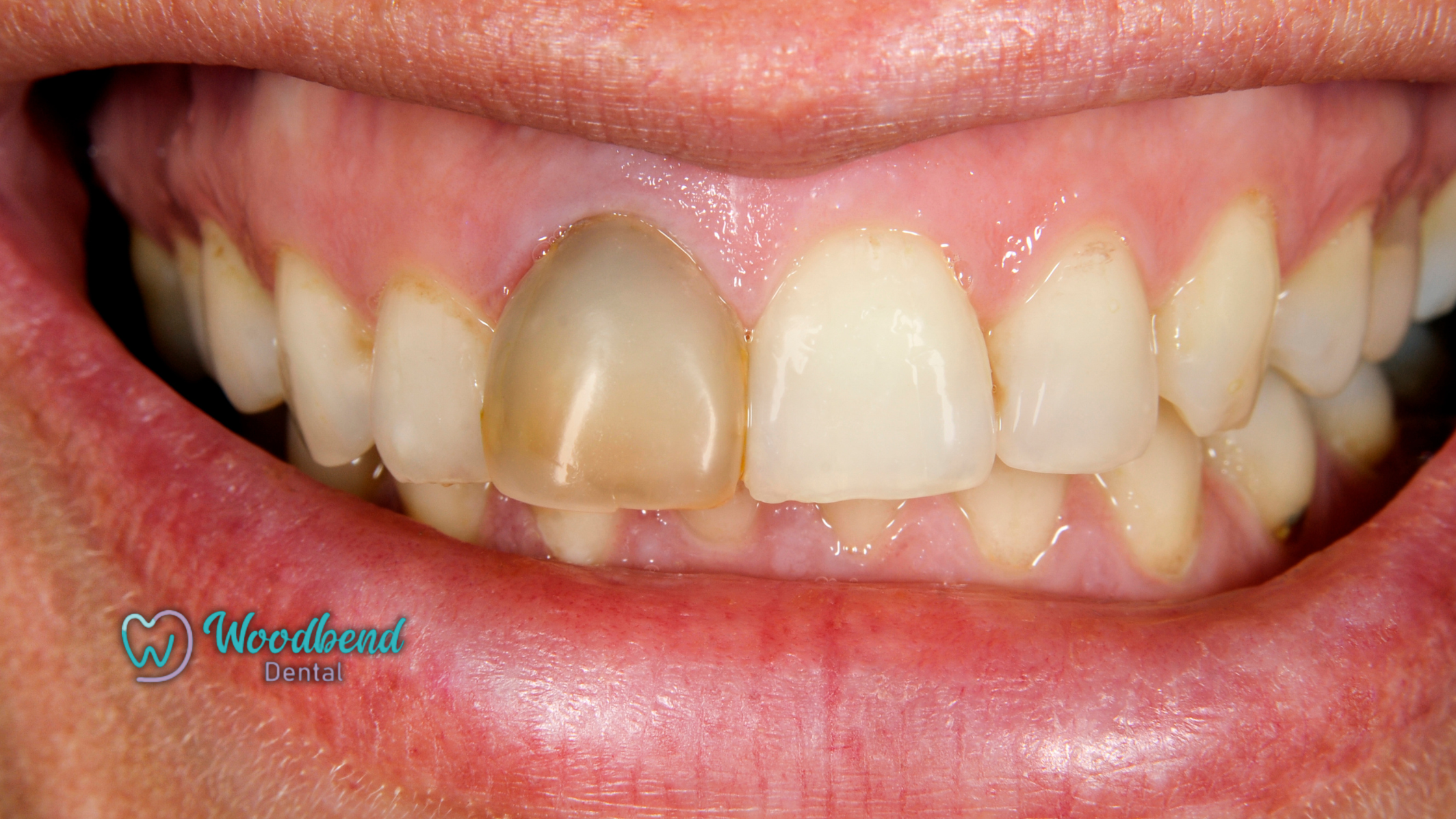
This guide will help you understand the signs that indicate a tooth may be dead. Recognizing these symptoms early on can aid you in seeking the appropriate dental care.
You might notice changes in color, sensitivity, or swelling around the affected area. By knowing how to identify these symptoms, you can take proactive steps to address the issue and protect your oral health.
In this post, we’ll walk you through the key signs to look for and what actions to take next.
Key Takeaways
- A dead tooth often causes discoloration, sensitivity, or persistent pain due to nerve damage.
- Lack of blood flow can lead to infection, requiring prompt dental evaluation and treatment.
- Root canal therapy or extraction may be necessary to save surrounding teeth and prevent complications.
Identifying Early Signs of Tooth Death
Noticing early signs of tooth death is crucial for timely dental intervention. Symptoms might develop gradually, so staying aware of any odd sensations, changes in appearance, or alterations in tooth health helps you catch potential issues.
It’s advisable to consult with your dentist promptly upon identifying these indicators, as early treatment can prevent further complications or the need for more extensive procedures.
“Recognizing subtle changes in your tooth’s sensation or appearance and seeking prompt care can often mean the difference between saving the tooth or facing more invasive procedures later on.”
– Dr. Manjot Dhaliwal, A Dentist in Leduc, Alberta, Canada
Discoloration: What to Look For
One of the first signs that a tooth may be dead is discoloration. You might observe that the tooth takes on a grayish or darkened shade, often caused by a loss of blood flow and nerves within the tooth.
If your previously bright, white tooth begins to appear dulled or darkened, it’s important to take note and consult a dental professional for further evaluation.
Changes in Sensation: Pain vs. Numbness
Changes in sensation can serve as key indicators of a dying tooth. You may initially experience sharp pain or discomfort when the nerve is inflamed, but numbness typically follows as the nerve tissues completely die.
Understanding these sensations can help you assess your tooth’s health and guide your next steps for dental care.
Experiencing pain typically indicates an active issue, such as inflammation or infection around the tooth, while numbness signals nerve death. For instance, a throbbing ache may suggest that the tooth is experiencing an infection that requires immediate attention, whereas a sudden absence of sensation, especially after prolonged pain, could signify that the tooth has died.
Both symptoms warrant a visit to the dentist but may point toward different underlying causes that need assessment and treatment.
The Role of Dental Examination Techniques
To accurately determine if a tooth is dead, dental examination techniques play a pivotal role. Dentists utilize a combination of visual inspections and diagnostic tools to assess the health of your teeth.
These methods not only help identify dead teeth but also aid in diagnosing underlying issues that could lead to more serious complications if left untreated.
Visual Inspection: Beyond the Surface
During a visual inspection, your dentist examines the tooth and surrounding tissues for any significant changes. They look for signs such as discoloration, swelling, or abscess formation that may suggest a dying or dead tooth.
This initial evaluation is crucial, as it helps to highlight potential areas of concern that may require further investigation.
Diagnostic Tools: X-Rays and Vitality Tests
X-rays and vitality tests are vital diagnostic tools in determining the health of your tooth. X-rays provide a detailed view of the tooth structure, showcasing any decay or damage beneath the gum line.
Vitality tests assess the tooth’s responsiveness to cold or electric stimuli, giving your dentist insight into the tooth’s nerve health.
X-rays can reveal bone loss, abscesses, and any dark spots indicating necrosis, making them indispensable in diagnosing tooth death. A cone beam CT scan may also be used for a three-dimensional view if necessary.
Vitality tests, involving cold or electric stimuli, can help determine whether the nerve is still healthy. A lack of response typically indicates that the tooth has lost vitality.
These combined techniques ensure an accurate diagnosis and help devise optimal treatment plans tailored to your needs.
The Potential Causes of Tooth Death
Multiple factors can contribute to the death of a tooth, ranging from physical trauma to biological decay. Understanding these potential causes can help you take proactive measures to protect your dental health.
Your oral hygiene practices, lifestyle choices, and any existing dental conditions can all play significant roles in a tooth’s vitality. Awareness of how these factors influence tooth health can empower you to seek the necessary preventive care and interventions.
Trauma and Injury: The Impact of Dental Accidents
Traumatic incidents such as falls, sports injuries, or accidents can severely compromise your tooth’s health. A sudden impact may result in pulp damage, leading to necrosis or tooth death if not addressed promptly.
Seeking immediate dental attention after an injury is key to preserving the tooth, especially if you experience pain, sensitivity, or discoloration in the affected area.
Decay and Infection: How Neglect Leads to Necrosis
Neglecting oral hygiene can rapidly lead to tooth decay and subsequent infection, which are primary contributors to tooth death. Bacterial activity from plaque buildup creates cavities that, if untreated, can reach the tooth’s pulp, causing pain and potential necrosis. Regular dental visits and maintaining a consistent oral care routine are vital in preventing these issues before they escalate to critical conditions.
Tooth decay and infection thrive on poor oral hygiene, leading to significant consequences if ignored. For example, a cavity left unattended can deepen, allowing harmful bacteria to infiltrate the pulp chamber, resulting in abscess formation or irreversible damage.
Research indicates that approximately 90% of adults experience cavities at some point, highlighting how easily neglect can set off a chain reaction culminating in tooth death. By prioritizing routine cleanings and addressing any dental concerns swiftly, you can safeguard against the risks associated with decay and infection.
Regular check-ups offer an opportunity for early identification and management of issues, ensuring you maintain optimal dental health.
Treatment Options for a Dead Tooth
When a tooth is determined to be dead, treatment options are available to mitigate the associated risks and preserve your smile. Typically, your dentist will suggest either a root canal or extraction, depending on the severity of the condition and the health of surrounding tissues.
Timely intervention can prevent further complications, such as infections or abscesses, while also reducing pain and discomfort.
Saving the Tooth: Root Canals and Other Treatments
A root canal is often the go-to option for salvaging a dead tooth. This procedure involves removing the infected pulp and cleaning the inside of the tooth before sealing it to prevent further bacterial invasion.
Your dentist may also recommend crowns or fillings to restore the tooth’s structure and functionality. With a high success rate, root canals allow you to keep your natural tooth intact for years to come.
When Extraction Becomes Necessary
In some cases, saving a dead tooth may not be viable, necessitating extraction. Teeth that are severely decayed, infected, or otherwise compromised can pose risks to your oral health, leading to the decision to remove them.
Factors such as significant bone loss, extensive decay, or persistent pain that doesn’t respond to treatment can all contribute to the recommendation for extraction.
If extraction becomes necessary, your dentist will discuss replacement options to maintain your dental function and aesthetics. Solutions like dental implants or bridges can fill the gap left by the extraction, ensuring that both appearance and alignment are preserved.
Ill-timed extractions can lead to further complications, so it’s vital to follow your dentist’s advice and take the appropriate steps for your dental health.
The Importance of Preventative Dental Care
Preventative dental care plays a vital role in maintaining your overall oral health and preventing serious issues such as tooth death. Regular check-ups and cleanings can help identify potential problems before they escalate, saving time and money in the long run.
Your dentist can provide personalized advice tailored to your unique dental needs, enabling you to make informed decisions about your care. Being proactive about your dental health not only safeguards your teeth but also reinforces the importance of a healthy lifestyle.
Maintaining Oral Health: Best Practices
Establishing effective oral hygiene practices is crucial for preventing tooth death. Maintain good oral hygiene by brushing twice daily with fluoride toothpaste and flossing daily to eliminate plaque buildup between teeth.
Limit sugary snacks and beverages while staying well-hydrated to maintain protective saliva levels. Regular visits to the dentist for professional cleanings and examinations will catch any issues early on.
Recognizing Risk Factors for Tooth Death
Several factors increase the likelihood of tooth death. These include dental trauma from sports or accidents that can sever blood supply, extensive decay, untreated dental infections, and a history of gum disease.
Certain lifestyle choices, such as smoking or excessive alcohol consumption, also contribute negatively to oral health. Perceiving these risks can empower you to seek timely intervention and prioritize care.
- Trauma or injury to teeth
- Chronic gum disease
- Severe dental decay or infection
- Smoking or excessive alcohol use
- Poor oral hygiene practices
Understanding risk factors is key to safeguarding your teeth. Consistency in dental care can mitigate many of these risks.
If you’ve experienced dental trauma, seek immediate dental care to assess any damage. Furthermore, maintain regular dental appointments to monitor your oral health, and take advantage of professional advice to adapt your hygiene practices.
Perceiving these elements of dental care can significantly enhance the longevity of your teeth.
- Immediate dental care after trauma
- Regular dental examinations
- Incorporating healthy dietary choices
- Staying informed about dental health
- Using fluoride products as recommended
Summing up
The signs of a dead tooth can be subtle but are important for your oral health. You should look for discoloration, pain, or swelling in the surrounding gums, accompanied by sensitivity to temperature.
If you suspect that a tooth may be dead, it’s necessary to seek professional dental advice promptly. Addressing the issue early can prevent further complications and allow for appropriate treatment options to be explored, ensuring your smile stays healthy.
If you’re experiencing tooth discoloration, pain, or sensitivity, Woodbend Dental in Leduc, Alberta, Canada is here to help restore your oral health with compassionate, expert care. Schedule your consultation today to explore treatment options like root canal therapy or other solutions tailored to your needs. Take the first step toward preserving your natural teeth and maintaining a healthy, confident smile.