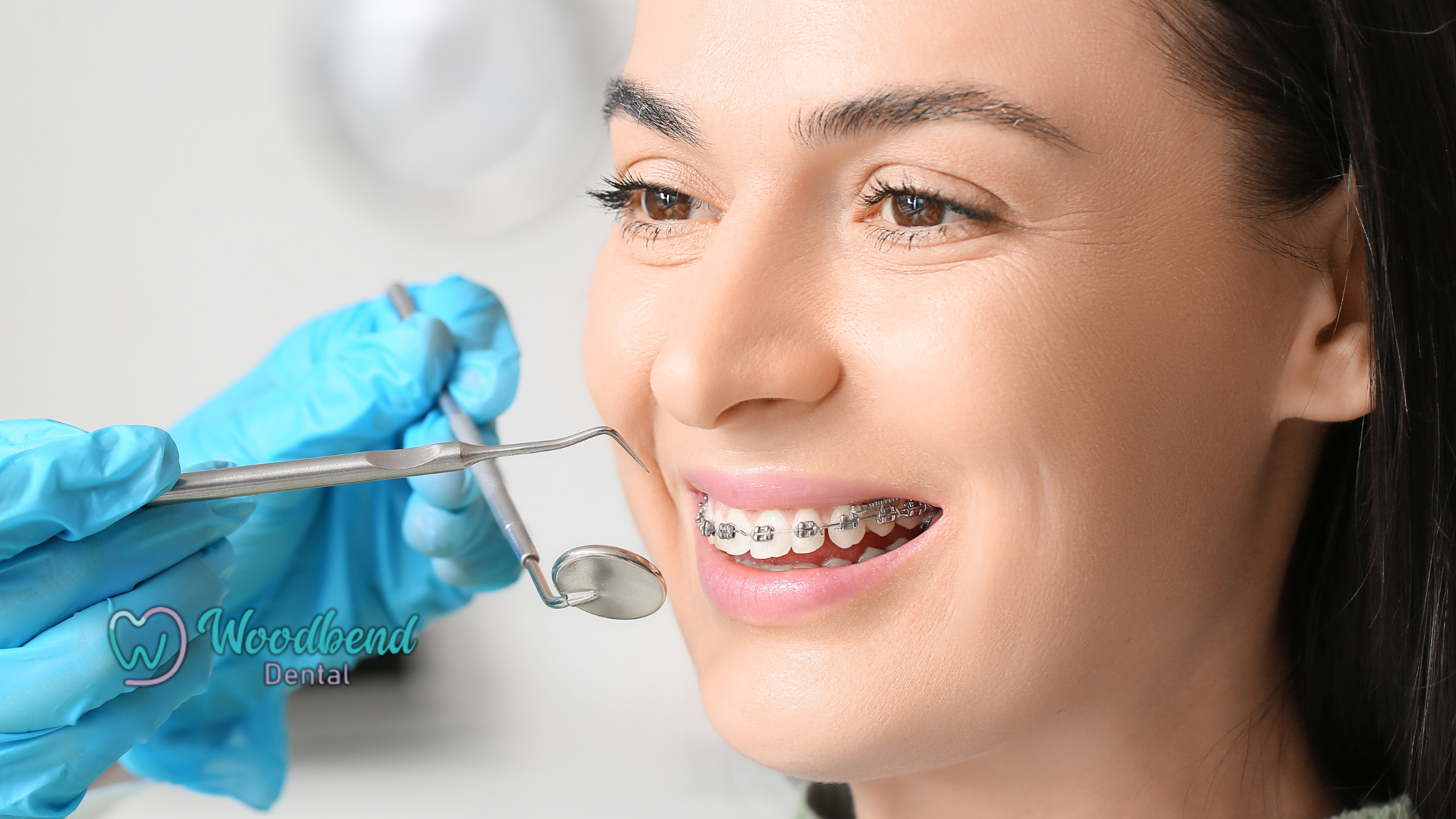
Most people underestimate the value of mid-treatment orthodontic check-ins, but these appointments play a vital role in your overall treatment success. During these visits, your orthodontist can monitor progress, make necessary adjustments, and identify any potential issues that could affect your results.
Failing to attend these check-ins may lead to longer treatment times and unintended complications, highlighting the need for consistent communication with your orthodontic team. By prioritizing these check-ins, you are not only ensuring the best outcome for your teeth but also maintaining your oral health throughout the process.
Key Takeaways:
- Regular mid-treatment check-ins allow orthodontists to monitor progress and make necessary adjustments, ensuring that the treatment plan remains on track.
- These appointments provide patients with the opportunity to discuss any concerns or discomfort, helping to enhance their overall treatment experience.
- Mid-treatment evaluations can help identify potential issues early, which can lead to more efficient treatment timelines and improved outcomes.
Understanding Mid-Treatment Orthodontic Check-Ins
For patients undergoing orthodontic treatment, mid-treatment check-ins serve as an imperative component of your overall dental health journey. These appointments allow your orthodontist to monitor your progress, make necessary adjustments, and ensure that your treatment plan stays on track.
By actively participating in these check-ins, you can contribute to achieving optimal results in a timely manner.
“Your commitment to attending check-ins complements your orthodontist’s efforts, creating a partnership that ensures your treatment progresses as efficiently and effectively as possible.” – Dr. Manjot Dhaliwal
Definition and Purpose
Mid-treatment orthodontic check-ins are scheduled visits that occur during the active phase of your orthodontic therapy. Their primary purpose is to assess the effectiveness of your treatment, address any concerns, and make adjustments to the appliances as needed.
These evaluations help ensure your teeth are moving as intended, minimizing potential complications and delays.
Frequency and Timing
Mid-treatment orthodontic check-ins typically occur every 6 to 10 weeks, depending on the type of treatment and your orthodontist’s recommendations. These appointments are strategically timed to allow for meaningful assessments and timely adjustments, ensuring that your treatment is progressing as planned.
Even though your check-ins may seem routine, they hold significant importance in maintaining your treatment trajectory. Arriving on schedule allows your orthodontist to address any concerns you may have, make necessary adjustments to your appliances, and ensure you’re adhering to your oral hygiene routine.
Staying consistent with these appointments can prevent complications, such as prolonged treatment times or unfavorable tooth movement, ultimately helping you achieve your desired results more efficiently.
“Think of these check-ins as course corrections on a journey—small adjustments made on time can prevent major detours and keep your path to a perfect smile smooth and predictable.” – Dr. Manjot Dhaliwal
Benefits of Regular Check-Ins
It’s imperative to prioritize mid-treatment orthodontic check-ins for several reasons. Regular visits allow your orthodontist to monitor your treatment progress and make timely adjustments, ensuring that you stay on track toward achieving your desired smile. Frequent check-ins help catch any potential issues early on and provide you with peace of mind as you navigate your orthodontic journey.
Progress Monitoring
Progress monitoring during your orthodontic treatment offers several advantages. First and foremost, these check-ins enable your orthodontist to evaluate how well your teeth are moving and whether the treatment plan is effective.
By regularly assessing your progress, you can receive necessary guidance and adjustments that foster optimal results.
Adjustments and Corrections
Regarding adjustments and corrections, your orthodontist can fine-tune your treatment based on the observations made during check-ins. This proactive approach helps prevent setbacks that may arise if issues go unaddressed.
This process is imperative, as relying on timely adjustments can significantly impact your overall treatment duration. By closely monitoring how your teeth are aligning, your orthodontist can make precise modifications to your braces or aligners, ensuring that potential complications are swiftly corrected.
This consistent attention to detail can lead to shorter treatment times and better outcomes, making check-ins a critical part of your treatment—not just a routine; they are a critical part of achieving the best possible results from your orthodontic treatment.
Patient Engagement and Compliance
Keep in mind that patient engagement is key to successful orthodontic treatment. Regular check-ins not only reinforce your commitment to achieving the best results but also help in addressing any concerns.
When you actively participate in your treatment plan, you are more likely to adhere to the recommendations provided by your orthodontist, leading to optimal outcomes and satisfaction.
Building Trust with Orthodontists
Building trust with your orthodontist is important for a successful treatment journey. When you feel comfortable communicating openly about your concerns and progress, it fosters a collaborative environment.
Trust allows your orthodontist to better understand your needs and personalizes your treatment plan, ensuring that you receive the highest level of care.
Enhancing Patient Motivation
With a strong focus on maintaining your motivation, check-ins can greatly enhance your treatment experience. By regularly reviewing your progress, your orthodontist can celebrate milestones with you, reinforcing the positive changes in your smile.
This acknowledgment boosts your confidence and inspires you to remain dedicated to your orthodontic journey.
Also, the involvement in your treatment plan can be a driving force for positive outcomes. When you recognize the progress you’re making through physical assessments and visual comparisons, this can energize your commitment.
Engaging with your orthodontist, asking questions, and discussing any challenges you face ensures you remain on track. The more you see how close you are to achieving your desired results, the stronger your resolve to follow through on treatment becomes.
This proactive approach to your dental health can lead to long-lasting results and, ultimately, a beautiful smile.
Managing Expectations
Once again, understanding what to expect during your orthodontic treatment is crucial for a smooth experience. Regular check-ins help track your progress and allow you to adjust your expectations as your treatment evolves.
By engaging in open communication with your orthodontist, you can gain insight into the realistic timelines and outcomes associated with your specific case, ensuring that you remain informed and comfortable throughout the process.
Addressing Concerns and Questions
Expectations play a significant role in how you perceive your orthodontic journey. During your check-ins, you should feel empowered to voice any concerns or questions you might have.
Engaging in dialogue with your orthodontist will help clear up uncertainties, provide answers, and maintain a positive outlook on your treatment.
Setting Realistic Goals
Any progress in orthodontic treatment takes time and patience, and setting realistic goals is crucial for maintaining motivation. You need to recognize that each adjustment phase comes with its set of timelines and expectations, and your orthodontist can guide you in developing achievable milestones that reflect your unique treatment journey.
Further, establishing realistic goals includes discussing your desired outcomes with your orthodontist. You should aim for a balance between aesthetic improvements and functional results.
Having clear milestones and timelines helps you stay focused and optimistic. Your orthodontist can outline potential challenges, helping you to either adjust your goals or recommit to the process, ultimately leading to a more rewarding orthodontic experience.
The Role of Technology in Check-Ins
Not only does technology enhance communication, but it also streamlines your orthodontic check-ins, allowing for a more efficient and effective treatment experience. Advancements in dental technology provide better monitoring and ensure that you stay on track with your treatment goals.
With these innovative solutions, patients—especially those using clear aligners—can often share updates remotely and receive timely guidance from the convenience of home, though some cases still require in-person evaluations.
“While in-person assessments remain critical in certain cases, the integration of technology has brought unparalleled convenience and precision to orthodontic care, allowing for more personalized and flexible treatment.” – Dr. Manjot Dhaliwal
Virtual Consultations
Across the orthodontic field, virtual consultations have transformed traditional check-up processes. While not suitable for all treatment scenarios, virtual consultations allow you to interact with your orthodontist via video calls, allowing you to discuss any concerns and receive real-time feedback.
This saves you time and ensures you remain engaged in your treatment journey.
Monitoring Tools and Apps
One of the most effective ways to track your orthodontic progress is through monitoring tools and apps. These technologies enable you to maintain an accurate record of your treatment, ensuring you follow the prescribed plans effectively.
Further, using dedicated monitoring tools and apps can significantly enhance your orthodontic experience. These apps allow you to take regular photos of your progress and track movements over time, providing your orthodontist with valuable data for assessment.
By sticking to your treatment plan and utilizing these tools, you can quickly address any issues. Additionally, some apps offer reminders for your oral hygiene routines and aligner changes, promoting better compliance.
Overall, leveraging this technology ensures that your journey is both efficient and successful.
To wrap up
Conclusively, mid-treatment orthodontic check-ins serve as a vital component in your orthodontic journey. These appointments allow your orthodontist to monitor your progress, make necessary adjustments, and address any concerns you may have.
By actively participating in these check-ins, you ensure that your treatment stays on track, ultimately leading to a healthier and more confident smile. Investing this time and attention during your treatment enhances both effectiveness and satisfaction with your orthodontic results.
Regular check-ins are key to ensuring your treatment stays effective and on schedule. If it’s time for your next orthodontic visit—or if you have questions about your current plan—our team at Woodbend Dental is here to help.
Contact us today to schedule your mid-treatment appointment and keep your smile moving in the right direction.
Reviewed by: Dr. Manjot Dhaliwal