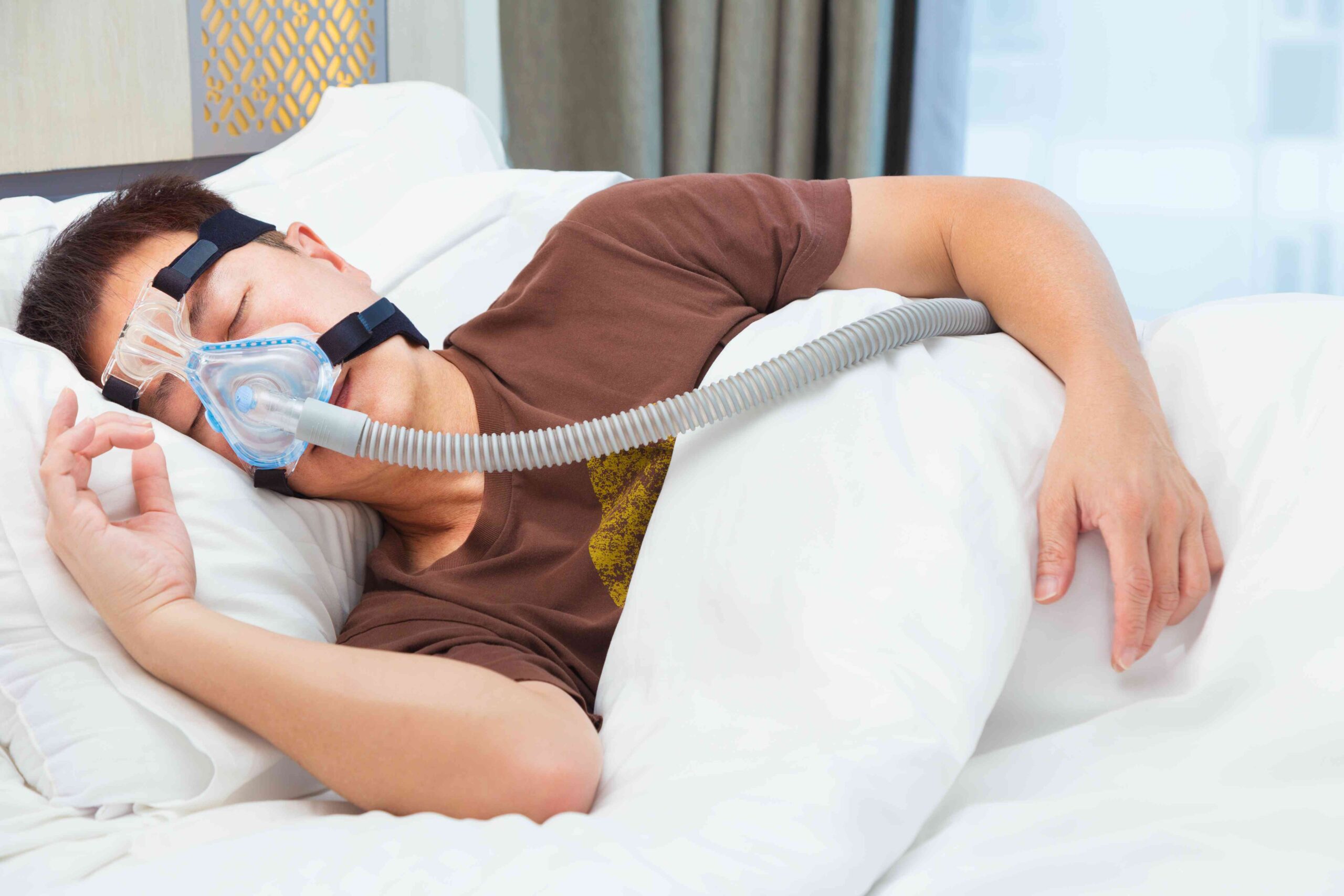
Sleep apnea is a common sleep disorder that affects millions of people worldwide. Characterized by interrupted breathing during sleep, this condition can lead to serious health consequences if left untreated. Despite its prevalence, many individuals are still unaware of the impact that sleep apnea can have on their overall well-being.
Yes, sleep apnea is a common sleep disorder, although it is often underdiagnosed. Sleep apnea is characterized by repeated interruptions in breathing during sleep. These interruptions, called apneas, can occur dozens or even hundreds of times per night, leading to fragmented sleep and reduced oxygen levels in the blood.
There are three main types of sleep apnea:
- Obstructive Sleep Apnea (OSA): This is the most common type of sleep apnea. It occurs when the muscles in the throat relax excessively during sleep, causing a blockage of the airway.
- Central Sleep Apnea (CSA): CSA is less common and occurs when the brain fails to send proper signals to the muscles that control breathing.
- Complex Sleep Apnea Syndrome (Treatment-Emergent Central Sleep Apnea): This type, also known as treatment-emergent central sleep apnea, occurs when someone with OSA develops CSA after the use of continuous positive airway pressure (CPAP) therapy.
Risk factors for sleep apnea include obesity, family history, age, gender (men are more commonly affected than women), smoking, alcohol use, and certain medical conditions such as diabetes and hypertension.
The consequences of untreated sleep apnea can be serious and may include daytime drowsiness, difficulty concentrating, irritability, high blood pressure, cardiovascular disease, and an increased risk of accidents, including car accidents due to impaired alertness.
Because it often occurs during sleep, many people with sleep apnea are unaware they have it. If someone suspects they have sleep apnea, it’s crucial to undergo a sleep study (polysomnography) for a proper diagnosis.
Treatment options for sleep apnea include lifestyle changes, continuous positive airway pressure (CPAP) therapy, dental devices, and, in some cases, surgery. Effective management of sleep apnea can significantly improve a person’s quality of life and reduce the risk of associated health problems.