
Orthodontic maintenance refers to the care and upkeep of orthodontic appliances, such as braces, retainers, and aligners. These appliances are used to correct misaligned teeth and jaw problems, and they require regular maintenance to ensure their effectiveness and longevity. Orthodontic maintenance is crucial for achieving the desired results of orthodontic treatment and maintaining a healthy smile.
Key Takeaways
- Maintaining orthodontic appliances is crucial for achieving a healthy and straight smile.
- Proper brushing and flossing techniques are essential for keeping braces clean and preventing decay.
- Certain foods, such as hard and sticky items, should be avoided to prevent damage to braces.
- Regular check-ups with an orthodontist can help address any issues and ensure treatment is progressing as planned.
- Caring for retainers is important to maintain the results of orthodontic treatment.
Importance of Maintaining Your Orthodontic Appliances
Maintaining your orthodontic appliances is essential for several reasons. Firstly, proper maintenance ensures that the appliances are working effectively to straighten your teeth and correct any bite issues. By following the recommended care instructions, you can maximize the benefits of your orthodontic treatment and achieve the desired results in a timely manner.
Neglecting orthodontic maintenance can have serious consequences. If you fail to take care of your appliances, they may become damaged or broken, which can prolong your treatment time and even require additional visits to the orthodontist. In some cases, neglecting maintenance can lead to oral health problems such as tooth decay and gum disease. Therefore, it is crucial to prioritize orthodontic maintenance to avoid these potential complications.
Brushing and Flossing with Braces
Proper oral hygiene is especially important when you have braces. Braces create small spaces where food particles can get trapped, making it easier for plaque to build up and cause tooth decay or gum disease. Therefore, it is essential to brush and floss regularly to keep your teeth and gums healthy during orthodontic treatment.
When brushing with braces, it is important to use a soft-bristle toothbrush and fluoride toothpaste. Start by rinsing your mouth with water to loosen any food particles. Then, brush each tooth individually, using small circular motions. Be sure to clean both the front and back surfaces of your teeth, as well as around the brackets and wires. It is recommended to brush for at least two minutes, twice a day.
Flossing with braces can be a bit more challenging, but it is equally important. Use a floss threader or orthodontic floss to thread the floss under the wire of your braces. Gently move the floss up and down between each tooth, making sure to clean both sides. Repeat this process for each tooth, using a fresh section of floss each time. It is recommended to floss at least once a day.
Foods to Avoid with Braces
| Foods to Avoid with Braces | Reasons to Avoid |
|---|---|
| Sticky candy (caramel, taffy, gummies) | Can get stuck in braces and cause damage |
| Hard candy (lollipops, jawbreakers) | Can break or damage braces |
| Popcorn | Can get stuck in braces and cause damage |
| Nuts | Can break or damage braces |
| Chewy bread (bagels, pizza crust) | Can get stuck in braces and cause damage |
| Hard fruits and vegetables (apples, carrots) | Can break or damage braces |
| Chewing gum | Can get stuck in braces and cause damage |
Certain foods can damage or break your braces, so it is important to avoid them during orthodontic treatment. Hard and sticky foods are the main culprits when it comes to damaging braces. Hard foods, such as nuts, popcorn, and hard candies, can cause brackets or wires to break or come loose. Sticky foods, like chewing gum, caramel, and taffy, can get stuck in your braces and be difficult to remove.
In addition to hard and sticky foods, it is also advisable to avoid foods that require excessive biting or chewing, such as corn on the cob or whole apples. These types of foods can put too much pressure on your braces and increase the risk of damage.
It is important to follow your orthodontist’s recommendations regarding dietary restrictions during orthodontic treatment. By avoiding these foods, you can protect your braces and ensure that your treatment progresses smoothly.
Cleaning Your Orthodontic Appliances
Cleaning your orthodontic appliances is crucial for maintaining good oral hygiene and preventing oral health problems. Braces can easily trap food particles and plaque, so it is important to clean them thoroughly on a regular basis.
To clean your braces, start by rinsing your mouth with water to loosen any food particles. Then, use a proxabrush or interdental brush to clean between the brackets and wires. Gently move the brush back and forth to remove any debris. It is recommended to clean between each tooth and around each bracket.
In addition to brushing, it is also important to use a fluoride mouthwash to rinse your mouth. This can help kill bacteria and prevent tooth decay. Rinse your mouth for about 30 seconds, making sure to swish the mouthwash around all areas of your mouth.
How to Deal with Discomfort with Braces
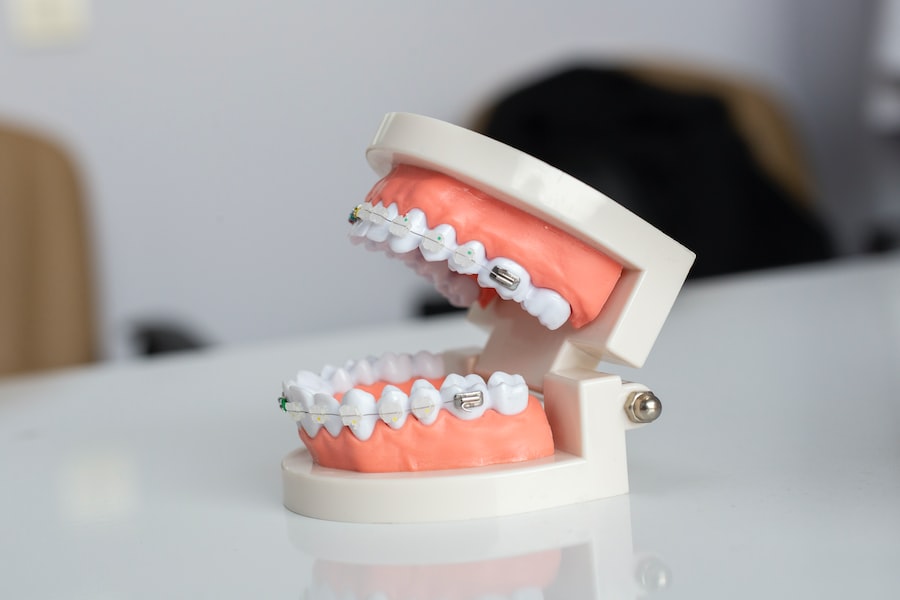
It is common to experience some discomfort when you first get braces or after adjustments. This discomfort usually subsides within a few days, but there are several tips you can follow to manage it more effectively.
One of the most effective ways to alleviate discomfort is by using orthodontic wax. This wax can be applied to the brackets or wires that are causing irritation, creating a barrier between the braces and your mouth. Simply pinch off a small piece of wax and roll it into a ball, then press it onto the area that is causing discomfort.
Another way to manage discomfort is by rinsing your mouth with warm saltwater. Dissolve half a teaspoon of salt in eight ounces of warm water, then swish the solution around your mouth for about 30 seconds before spitting it out. This can help reduce inflammation and soothe any soreness or irritation.
If you experience significant pain or discomfort that does not improve after a few days, it is important to contact your orthodontist for further guidance.
Regular Orthodontic Check-ups
Regular check-ups with your orthodontist are an important part of orthodontic maintenance. These check-ups allow your orthodontist to monitor the progress of your treatment and make any necessary adjustments.
During a check-up, your orthodontist will examine your teeth and braces, looking for any signs of damage or issues that need to be addressed. They may also take X-rays or impressions to assess the alignment of your teeth and jaw.
In addition to the physical examination, your orthodontist will also take the opportunity to answer any questions or concerns you may have. They can provide guidance on proper oral hygiene, dietary restrictions, and any other aspects of orthodontic maintenance.
It is generally recommended to schedule check-ups every 4-6 weeks, although this may vary depending on your individual treatment plan. By attending regular check-ups, you can ensure that your treatment is progressing as planned and make any necessary adjustments along the way.
Retainers: How to Care for Them
Retainers are often used after braces to maintain the alignment of your teeth. It is important to wear and care for your retainers properly to ensure that your teeth remain straight and in their correct positions.
One of the most important aspects of retainer care is cleaning. It is essential to clean your retainers regularly to prevent the buildup of bacteria and plaque. You can clean your retainers by brushing them with a soft-bristle toothbrush and mild soap or toothpaste. Rinse them thoroughly with water before placing them back in your mouth.
In addition to cleaning, it is important to store your retainers properly when you are not wearing them. Keep them in a protective case to prevent damage or loss. Avoid exposing them to extreme temperatures or leaving them in direct sunlight, as this can cause warping or discoloration.
It is also important to follow your orthodontist’s instructions regarding wearing your retainers. Most people are advised to wear their retainers full-time for a certain period, then gradually reduce the wearing time to nights only. It is important to follow this schedule to maintain the alignment of your teeth.
Common Orthodontic Issues and How to Address Them
During orthodontic treatment, it is common to experience certain issues or problems with your appliances. Knowing how to address these issues can help prevent further complications and ensure that your treatment progresses smoothly.
One common issue is a loose bracket or wire. If a bracket or wire becomes loose, it is important to contact your orthodontist as soon as possible. They can guide you on how to temporarily fix the issue until you can come in for a repair appointment. It is important not to try to fix the issue yourself, as this can cause further damage.
Another common issue is discomfort or soreness after adjustments. As mentioned earlier, this discomfort usually subsides within a few days. However, if the pain is severe or persists for an extended period, it is important to contact your orthodontist for further guidance.
It is also common to experience difficulty speaking or eating when you first get braces. This is normal and usually improves with time as you adjust to the appliances. In the meantime, it can be helpful to stick to softer foods and practice speaking slowly and enunciating clearly.
Achieving a Healthy and Straight Smile with Orthodontic Maintenance
Orthodontic maintenance plays a crucial role in achieving a healthy and straight smile. By properly maintaining your orthodontic appliances, you can ensure that they are working effectively and avoid potential complications such as damage or oral health problems.
Brushing and flossing with braces are essential for maintaining good oral hygiene during orthodontic treatment. Avoiding certain foods can help protect your braces from damage. Regular check-ups with your orthodontist allow them to monitor your progress and make any necessary adjustments.
Caring for retainers and addressing common orthodontic issues are also important aspects of orthodontic maintenance. By prioritizing these practices, you can achieve the desired results of your orthodontic treatment and enjoy a healthy and straight smile for years to come.
If you’re looking for more information on maintaining your orthodontic treatment, you may also be interested in learning about the benefits of direct insurance billing. This article from Woodbend Dental explains how this service can make the financial aspect of orthodontic care more convenient and hassle-free. By utilizing direct insurance billing, you can focus on keeping your smile straight and healthy without worrying about the paperwork and reimbursement process. To read more about the benefits of direct insurance billing, click here.