
Root canal treatment and dental implant surgery are two common dental procedures that are used to address different dental issues. It is important for patients to understand the differences between these two procedures in order to make an informed decision about their dental treatment. This article will provide a comprehensive overview of root canal treatment and dental implant surgery, including their definitions, purposes, and key differences.
Key Takeaways
- Root canal treatment is a procedure that removes infected or damaged tissue from inside a tooth, while dental implants involve replacing a missing tooth with an artificial one.
- Root canal treatment is typically necessary when a tooth is infected or has extensive decay, while dental implant surgery is recommended when a tooth is missing or needs to be extracted.
- Pros of root canal treatment include preserving the natural tooth and avoiding the need for extraction, while cons include the potential for reinfection and the need for a crown to protect the tooth. Pros of dental implants include a natural-looking replacement tooth and improved chewing ability, while cons include the need for surgery and a longer treatment timeline.
- During root canal treatment, the infected or damaged tissue is removed and the tooth is filled and sealed. Dental implant surgery involves placing a metal post in the jawbone and attaching a replacement tooth to the post.
- Cost comparison between root canal treatment and dental implants can vary depending on factors such as location and the extent of treatment needed.
- Factors to consider when choosing between root canal treatment and dental implants include the condition of the tooth, the patient’s overall oral health, and personal preferences.
- Aftercare for root canal treatment or dental implants includes practicing good oral hygiene, avoiding hard or sticky foods, and attending regular dental check-ups.
Understanding the Basics: Root Canal vs. Dental Implants
Root canal treatment, also known as endodontic therapy, is a procedure that is performed to save a tooth that has become infected or severely decayed. During a root canal, the infected or damaged pulp inside the tooth is removed, the tooth is cleaned and disinfected, and then it is sealed with a filling or crown. The purpose of a root canal is to eliminate pain and infection, and to preserve the natural tooth.
On the other hand, dental implant surgery is a procedure that is used to replace a missing tooth. A dental implant is an artificial tooth root that is surgically placed into the jawbone. Once the implant has fused with the bone, a crown or bridge can be attached to it to restore the appearance and function of the missing tooth. The purpose of a dental implant is to provide a permanent solution for tooth loss.
The key difference between root canal treatment and dental implant surgery is that root canal treatment focuses on saving and preserving the natural tooth, while dental implant surgery involves replacing a missing tooth with an artificial one. Root canal treatment is typically recommended when the tooth can be saved, while dental implant surgery is recommended when the tooth cannot be saved or has already been lost.
When is Root Canal Treatment Necessary?
Root canal treatment may be necessary in several situations. The most common reason for needing a root canal is when the pulp inside the tooth becomes infected or inflamed due to deep decay, repeated dental procedures on the same tooth, or a cracked or broken tooth. Other reasons for needing a root canal include trauma to the tooth, a deep cavity that reaches the pulp, or a tooth that is dying.
There are several signs and symptoms that may indicate the need for a root canal. These include severe toothache, sensitivity to hot or cold temperatures, swelling or tenderness in the gums, a pimple-like bump on the gums, or darkening of the tooth. It is important to seek dental treatment as soon as these symptoms arise, as delaying treatment can lead to further complications and the potential loss of the tooth.
Early detection and treatment of a tooth that requires a root canal is crucial for preserving the natural tooth and preventing further damage. If left untreated, an infected or damaged tooth can lead to abscess formation, bone loss, and even systemic infections. Therefore, it is important to consult with a dental professional if you are experiencing any signs or symptoms that may indicate the need for a root canal.
When is Dental Implant Surgery Recommended?
| Reasons for Dental Implant Surgery | Explanation |
|---|---|
| To Replace Missing Teeth | Dental implants are a popular option for replacing missing teeth as they provide a permanent solution that looks and feels like natural teeth. |
| To Improve Oral Health | Dental implants can help improve oral health by preventing bone loss and preserving the surrounding teeth. |
| To Enhance Appearance | Dental implants can improve the appearance of your smile by filling in gaps and restoring a natural-looking smile. |
| To Improve Speech | Dental implants can help improve speech by filling in gaps and preventing slurring or mumbling caused by missing teeth. |
| To Improve Chewing and Eating | Dental implants can improve chewing and eating by providing a stable and secure base for chewing and biting. |
Dental implant surgery may be recommended in several situations. The most common reason for needing a dental implant is when a tooth has been lost due to injury, decay, or gum disease. Dental implants can also be used to replace multiple missing teeth or to provide support for dentures or bridges. In some cases, dental implant surgery may be recommended as an alternative to other dental procedures such as bridges or dentures.
Signs and symptoms of a missing tooth that may indicate the need for a dental implant include difficulty chewing or speaking, shifting of adjacent teeth, bone loss in the jaw, and changes in facial appearance. It is important to consider all options before deciding on a dental implant, as there may be other less invasive and less expensive treatments available.
It is also important to note that not everyone is a candidate for dental implant surgery. Factors such as overall health, oral health, bone density, and smoking habits can affect the success of the procedure. Therefore, it is important to consult with a dental professional to determine if dental implant surgery is the right option for you.
Pros and Cons of Root Canal Treatment
Root canal treatment has several advantages. The main advantage is that it allows for the preservation of the natural tooth, which can help maintain proper chewing function and prevent shifting of adjacent teeth. Root canal treatment also eliminates pain and infection, and can improve overall oral health. In addition, root canal treatment is usually less expensive and less invasive than dental implant surgery.
However, there are also some disadvantages to root canal treatment. One disadvantage is that it may require multiple visits to the dentist, as the procedure is typically done in stages. Another disadvantage is that there is a risk of reinfection or failure of the root canal, which may require additional treatment or even extraction of the tooth. Additionally, a tooth that has undergone a root canal may become more brittle over time and may require a crown or other restoration to protect it.
Factors that may affect the success of a root canal include the location and condition of the tooth, the skill and experience of the dentist, and the patient’s overall oral health. It is important to discuss these factors with a dental professional before deciding on a root canal.
Pros and Cons of Dental Implants
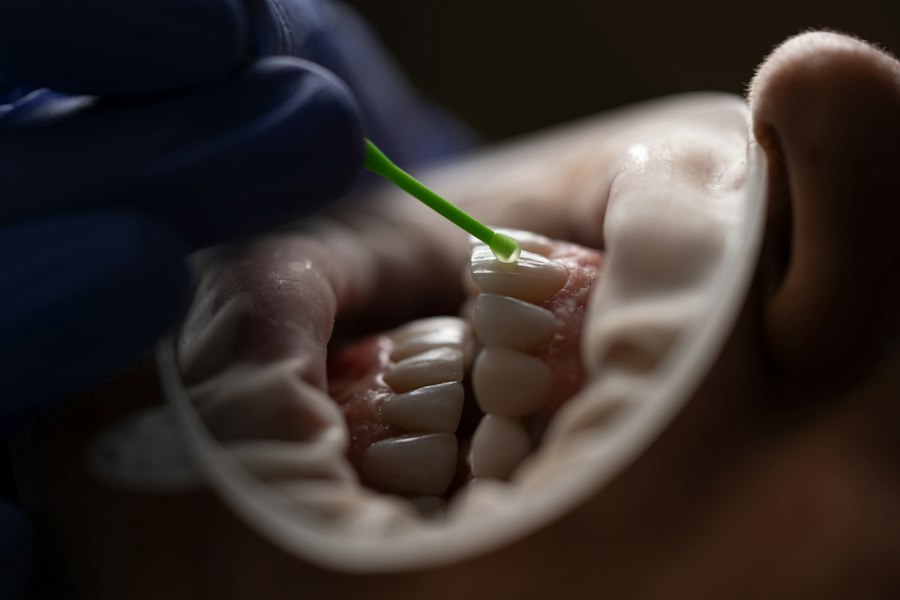
Dental implants have several advantages. The main advantage is that they provide a permanent solution for tooth loss, as they are designed to fuse with the jawbone and become a part of the natural dental structure. Dental implants also look and feel like natural teeth, and can improve chewing function and speech. In addition, dental implants do not require any special maintenance or care, other than regular brushing and flossing.
However, there are also some disadvantages to dental implants. One disadvantage is that they require surgery, which can be invasive and may involve a longer recovery time compared to other dental procedures. Another disadvantage is that dental implants are usually more expensive than other tooth replacement options. Additionally, not everyone is a candidate for dental implant surgery, as factors such as overall health, oral health, and bone density can affect the success of the procedure.
Factors that may affect the success of a dental implant include the skill and experience of the oral surgeon, the quality and quantity of the jawbone, and the patient’s overall oral health. It is important to discuss these factors with a dental professional before deciding on a dental implant.
Root Canal Treatment: What to Expect
If you are scheduled to undergo a root canal treatment, it is important to know what to expect during the procedure. The root canal procedure is typically done in several stages, and may require multiple visits to the dentist.
During the first visit, the dentist will take an x-ray of the tooth to determine the extent of the infection or damage. Local anesthesia will be administered to numb the area around the tooth. The dentist will then create an access hole in the tooth to remove the infected or damaged pulp. The pulp chamber and root canals will be cleaned and shaped using special instruments. Once the tooth is thoroughly cleaned, it will be filled with a biocompatible material called gutta-percha and sealed with a temporary filling.
In some cases, a second visit may be necessary to complete the root canal treatment. During this visit, the temporary filling will be removed and replaced with a permanent filling or crown. The dentist may also recommend placing a crown on the tooth to provide additional protection and support.
There are several misconceptions about root canal treatment that should be addressed. One common misconception is that root canal treatment is painful. However, with modern techniques and anesthesia, most patients experience little to no pain during the procedure. Another misconception is that root canal treatment is not effective and will eventually lead to tooth loss. In reality, root canal treatment has a high success rate and can save a tooth that would otherwise need to be extracted.
To prepare for a root canal treatment, it is important to follow any instructions provided by the dentist. This may include avoiding eating or drinking for a certain period of time before the procedure, taking any prescribed medications as directed, and arranging for transportation to and from the dental office. It is also important to discuss any concerns or questions with the dentist before the procedure.
Dental Implants: What to Expect
If you are considering dental implant surgery, it is important to know what to expect during the procedure. Dental implant surgery is typically done in several stages, and may require multiple visits to the oral surgeon.
During the first visit, the oral surgeon will take x-rays and impressions of your teeth and jawbone to determine the best placement for the dental implant. Local anesthesia will be administered to numb the area where the implant will be placed. The oral surgeon will then make an incision in the gum tissue and drill a hole into the jawbone. The dental implant will be placed into the hole and the gum tissue will be stitched closed.
After the implant has been placed, it will take several months for it to fuse with the jawbone in a process called osseointegration. During this time, a temporary crown or bridge may be placed on top of the implant to restore appearance and function. Once osseointegration is complete, a permanent crown or bridge can be attached to the implant.
There are several misconceptions about dental implant surgery that should be addressed. One common misconception is that dental implant surgery is painful. However, with modern techniques and anesthesia, most patients experience little to no pain during the procedure. Another misconception is that dental implants are not durable and may need to be replaced after a few years. In reality, dental implants have a high success rate and can last a lifetime with proper care.
To prepare for dental implant surgery, it is important to follow any instructions provided by the oral surgeon. This may include avoiding eating or drinking for a certain period of time before the procedure, taking any prescribed medications as directed, and arranging for transportation to and from the oral surgeon’s office. It is also important to discuss any concerns or questions with the oral surgeon before the procedure.
Cost Comparison: Root Canal vs. Dental Implants
The cost of root canal treatment and dental implant surgery can vary depending on several factors. These factors include the location and condition of the tooth, the skill and experience of the dentist or oral surgeon, the type of anesthesia used, and the materials used for the filling or crown.
In general, root canal treatment is usually less expensive than dental implant surgery. The cost of a root canal can range from $500 to $1,500 per tooth, depending on the complexity of the case and the location of the tooth. This cost typically includes the cost of x-rays, anesthesia, and follow-up visits.
On the other hand, dental implant surgery is usually more expensive than root canal treatment. The cost of a single dental implant can range from $1,500 to $6,000 per tooth, depending on the complexity of the case and the location of the tooth. This cost typically includes the cost of x-rays, anesthesia, surgical fees, and follow-up visits.
It is important to note that these costs are estimates and can vary depending on individual circumstances. It is also important to consider long-term costs when comparing root canal treatment and dental implant surgery. While a root canal may be less expensive initially, it may require additional treatment or restoration in the future. On the other hand, a dental implant may be more expensive initially, but it provides a permanent solution that does not require any special maintenance or care.
Factors to Consider When Choosing Between Root Canal and Dental Implants
When deciding between root canal treatment and dental implant surgery, there are several factors to consider. These factors include the condition of the tooth, the location of the tooth, the patient’s overall oral health, the patient’s personal preferences and priorities, and the cost of the procedure.
If the tooth can be saved and there is enough healthy tooth structure remaining, root canal treatment may be the best option. Root canal treatment allows for the preservation of the natural tooth, which can help maintain proper chewing function and prevent shifting of adjacent teeth. Root canal treatment is also usually less expensive and less invasive than dental implant surgery.
On the other hand, if the tooth cannot be saved or has already been lost, dental implant surgery may be the best option. Dental implants provide a permanent solution for tooth loss and can improve chewing function and speech. Dental implants also look and feel like natural teeth, and do not require any special maintenance or care.
It is important to consult with a dental professional to determine which option is best for you. A dental professional can evaluate your individual circumstances and provide personalized recommendations based on your specific needs and goals.
Aftercare: How to Ensure Long-Term Success of Root Canal or Dental Implant Treatment
After undergoing a root canal or dental implant treatment, it is important to take proper care of your teeth and gums to ensure long-term success. Here are some tips for caring for a tooth after a root canal:
– Practice good oral hygiene by brushing your teeth twice a day and flossing daily.
– Avoid chewing on hard or sticky foods that can damage the tooth or restoration.
– Schedule regular dental check-ups and cleanings to monitor the health of the tooth.
Here are some tips for caring for a dental implant after surgery:
– Practice good oral hygiene by brushing your teeth twice a day and flossing daily.
– Avoid chewing on hard or sticky foods that can damage the implant or restoration.
– Schedule regular dental check-ups and cleanings to monitor the health of the implant.
It is also important to follow any specific instructions provided by your dentist or oral surgeon. This may include avoiding certain foods or activities for a certain period of time, taking any prescribed medications as directed, and using any recommended oral care products.
Regular dental check-ups and maintenance are crucial for the long-term success of both root canal treatment and dental implant surgery. These check-ups allow the dentist or oral surgeon to monitor the health of the tooth or implant, and to address any issues before they become more serious. It is important to schedule regular check-ups and cleanings as recommended by your dental professional.
In conclusion, root canal treatment and dental implant surgery are two common dental procedures that are used to address different dental issues. It is important for patients to understand the differences between these two procedures in order to make an informed decision about their dental treatment.
Root canal treatment is typically recommended when the tooth can be saved, while dental implant surgery is recommended when the tooth cannot be saved or has already been lost. Root canal treatment allows for the preservation of the natural tooth, while dental implants provide a permanent solution for tooth loss.
Both root canal treatment and dental implant surgery have their own advantages and disadvantages, and the success of each procedure can be affected by several factors. It is important to consult with a dental professional to determine which option is best for you.
After undergoing a root canal or dental implant treatment, it is important to take proper care of your teeth and gums to ensure long-term success and maintain good oral health. This includes practicing good oral hygiene habits such as brushing twice a day with a soft-bristled toothbrush and fluoride toothpaste, flossing daily, and using an antimicrobial mouthwash. It is also crucial to schedule regular dental check-ups and cleanings to monitor the health of the treated area and address any potential issues early on. Additionally, avoiding hard or sticky foods, quitting smoking, and limiting sugary snacks and drinks can help prevent complications and promote healing. By following these guidelines, patients can maximize the longevity of their dental treatments and enjoy a healthy smile for years to come.
If you’re trying to decide between a root canal and dental implants for tooth restoration, it’s important to make an informed decision. Understanding the pros and cons of each option can help you choose the best treatment for your specific needs. To learn more about these procedures and their benefits, check out this informative article from Woodbend Dental. They provide comprehensive dental services and are dedicated to helping patients make the right choices for their oral health. Click here to read the article and gain valuable insights into root canals and dental implants.