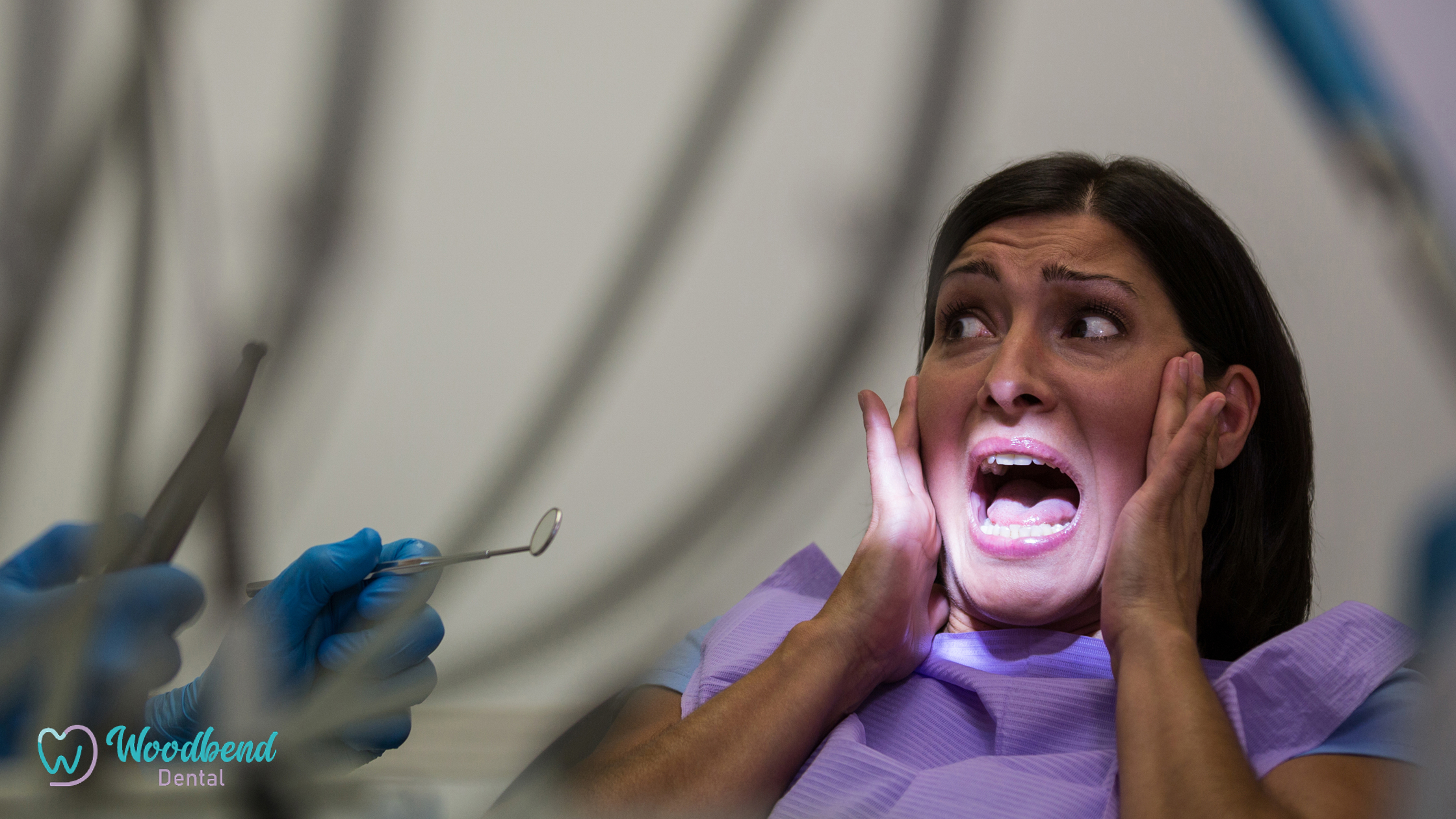
If you feel a sudden sharp pain when drinking cold water, eating ice cream, or sipping hot coffee, you may be experiencing tooth sensitivity. This is a common dental issue that affects many people at different stages of life. While occasional sensitivity may seem harmless, persistent discomfort can signal underlying dental problems that require attention.
Understanding sensitive teeth causes and exploring the right tooth sensitivity treatment can help protect your teeth and improve your comfort. A visit to a trusted dental professional can help identify the source of the problem and provide effective sensitive teeth relief.
What Is Tooth Sensitivity?
Tooth sensitivity occurs when the protective outer layer of the tooth, called enamel, becomes worn down or when gum tissue recedes and exposes the underlying dentin. Dentin contains tiny tubules that lead to the tooth’s nerve, allowing hot, cold, sweet, or acidic foods to trigger pain.
This discomfort can range from mild irritation to sudden, sharp pain. If the problem persists, it may indicate a deeper issue that requires evaluation by a dentist Edmonton patients trust for comprehensive care.
Common Sensitive Teeth Causes
Several dental and lifestyle factors may contribute to tooth sensitivity. Identifying the underlying cause is the first step toward effective treatment.
Worn Tooth Enamel
Enamel is the protective outer layer of the tooth. Over time, enamel can wear down due to acidic foods, aggressive brushing, or grinding your teeth. When enamel becomes thin, the sensitive dentin underneath becomes exposed.
Gum Recession
Receding gums expose the roots of the teeth, which are more sensitive than enamel-covered areas. Gum recession can occur due to aging, gum disease, or brushing too hard.
Tooth Decay or Cavities
Cavities can create holes in the enamel, allowing stimuli such as heat, cold, or sugar to reach the inner layers of the tooth.
Cracked or Damaged Teeth
Small cracks in teeth can expose sensitive inner layers and cause pain when chewing or when temperatures change.
Teeth Grinding (Bruxism)
Grinding your teeth, often during sleep, can gradually wear down enamel and contribute to tooth sensitivity.
Recent Dental Procedures
Temporary sensitivity may occur after treatments such as teeth whitening, fillings, or crowns. This usually improves within a few days.
Because there are multiple causes of sensitive teeth, a professional dental exam is the best way to determine the exact source of the problem.
When Tooth Sensitivity Becomes a Concern
Occasional sensitivity may not require immediate treatment. However, persistent or worsening discomfort should not be ignored.
You should schedule a dental visit if you experience:
- Sharp pain when consuming hot or cold foods
- Sensitivity that lasts longer than a few seconds
- Pain when brushing or flossing
- Discomfort while chewing
- Sensitivity in a specific tooth
A dental evaluation helps rule out issues such as cavities, infections, or enamel damage.
Tooth Sensitivity Treatment Options
Fortunately, there are several effective tooth sensitivity treatment options available depending on the underlying cause.
Desensitizing Toothpaste
Special toothpaste designed for sensitive teeth helps block the transmission of pain signals from the tooth surface to the nerve.
Fluoride Treatments
Professional fluoride applications strengthen enamel and reduce sensitivity by protecting exposed areas of the tooth.
Dental Bonding
Bonding materials can cover exposed root surfaces or worn enamel, helping reduce discomfort and protect the tooth.
Gum Disease Treatment
If gum recession or gum disease is contributing to sensitivity, your dentist may recommend deep cleaning procedures such as scaling and root planing.
Nightguards for Teeth Grinding
Custom nightguards help protect teeth from grinding and prevent further enamel wear.
Restorative Treatments
If cavities or cracks are responsible for sensitivity, treatments such as fillings or crowns may be necessary.
A qualified dentist Edmonton residents rely on can recommend the most suitable solution for long-term relief.
Tips for Sensitive Teeth Relief at Home
Alongside professional care, certain daily habits can help reduce tooth sensitivity and protect your enamel.
For effective sensitive teeth relief, consider the following tips:
- Use a soft-bristle toothbrush
- Avoid brushing too aggressively.
- Choose toothpaste designed for sensitive teeth
- Limit acidic foods and drinks, such as soda or citrus
- Wear a nightguard if you grind your teeth
- Maintain good oral hygiene habits
These steps can help reduce irritation and protect your teeth between dental visits.
The Importance of Regular Dental Checkups
Routine dental visits play an important role in preventing and managing tooth sensitivity. Regular exams allow your dentist to identify early signs of enamel wear, gum disease, or cavities before they become more serious.
Professional cleanings also remove plaque and tartar buildup that may contribute to gum recession and enamel damage.
If you frequently experience tooth sensitivity, scheduling a dental appointment can help determine the best course of action.
Get Professional Help for Tooth Sensitivity
Living with sensitive teeth can make everyday activities like eating and drinking uncomfortable. Fortunately, many effective solutions are available.
At Woodbend Dental, patients can receive personalized care to identify sensitive teeth causes, explore the right tooth sensitivity treatment, and find lasting sensitive teeth relief.
If tooth sensitivity is affecting your daily life, scheduling an evaluation with a trusted dentist Edmonton patients depend on can help restore comfort and protect your smile.
Frequently Asked Questions
What are the most common causes of sensitive teeth?
Common causes include worn enamel, gum recession, cavities, cracked teeth, teeth grinding, and certain dental procedures.
What is the best tooth sensitivity treatment?
Treatment depends on the cause but may include desensitizing toothpaste, fluoride treatments, dental bonding, or restorative procedures.
Can sensitive teeth go away on their own?
Mild sensitivity may improve with better oral care, but persistent discomfort should be evaluated by a dentist.
How can I get sensitive teeth relief quickly?
Using toothpaste for sensitive teeth, avoiding acidic foods, and scheduling a dental checkup can help reduce symptoms.