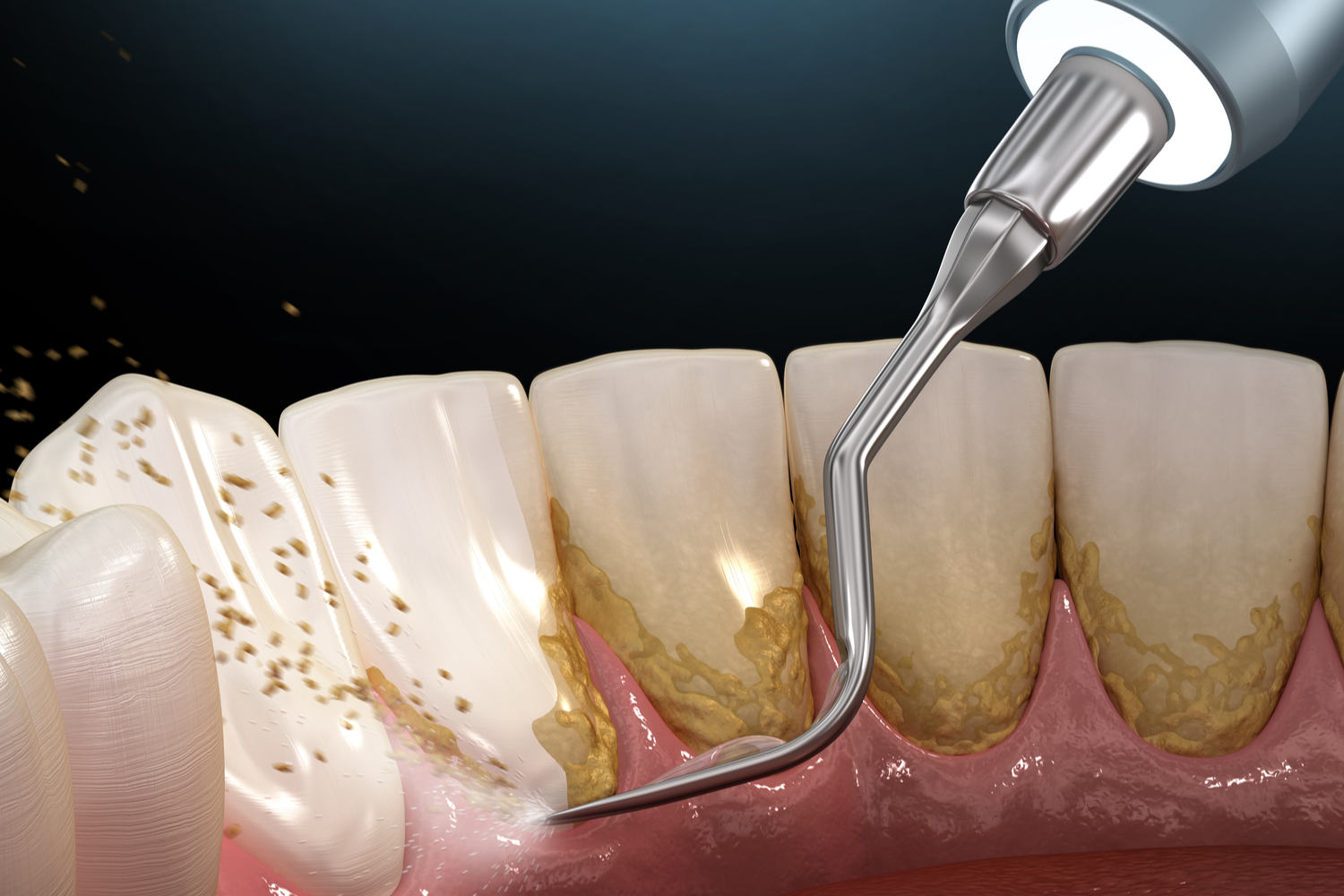
Scaling and root planing, also known as deep cleaning, is a common dental procedure used to treat and prevent gum disease. It involves removing plaque and tartar buildup from the teeth and their roots, as well as smoothing the surfaces of the roots to prevent further bacterial growth. This procedure is essential for maintaining good oral health and preventing more severe dental issues such as tooth loss. However, many patients are unfamiliar with the steps involved in scaling and root planing and may have questions or concerns about the process.
In this article, we will delve into the details of scaling and root planing procedure steps, providing a comprehensive understanding of what to expect during this vital dental treatment. From the initial examination to post-procedure care, we will discuss each step in a professional manner, shedding light on the importance of this procedure and how it can benefit your overall oral health. So, if you are curious about scaling and root planing or have been recommended this treatment by your dentist, read on to learn more about what to expect during this procedure.
Here are the typical steps involved in the scaling and root planing procedure:
- Initial Assessment:
The dentist or dental hygienist will begin by reviewing your dental and medical history. They may also perform a comprehensive examination of your teeth and gums, including measuring the depth of periodontal pockets.
- Local Anesthesia:
In many cases, scaling and root planing are performed using local anesthesia to ensure your comfort during the procedure. The dentist will administer a local anesthetic to numb the affected areas.
- Scaling – Removal of Plaque and Tartar:
The scaling process involves the removal of plaque and tartar (calculus) from the tooth surfaces and below the gumline. Special dental instruments, such as ultrasonic scalers or hand scalers, are used to carefully remove these deposits.
- Root Planing – Smoothing of Root Surfaces:
Root planing focuses on smoothing the surfaces of the tooth roots to discourage the accumulation of bacteria and facilitate the reattachment of the gums to the teeth. This process also helps to eliminate rough spots where bacteria may gather.
- Debridement (If Necessary):
In cases where there is a significant amount of tartar or calculus, or if there are deep periodontal pockets, debridement may be performed before scaling and root planing. This involves the removal of larger deposits to improve access for thorough cleaning.
- Antimicrobial Treatment (Optional):
Some dentists may apply antimicrobial agents, such as a topical antibiotic or antimicrobial mouth rinse, to the treated areas. This helps to control bacteria and promote healing.
- Post-Treatment Instructions:
The dentist or dental hygienist will provide post-treatment instructions, including guidance on oral hygiene practices, such as proper brushing and flossing techniques. They may also recommend follow-up appointments for monitoring and maintenance.
- Follow-Up Appointments:
Patients undergoing scaling and root planing may be scheduled for follow-up appointments to assess the healing progress and monitor the condition of the gums. Additional treatments or maintenance cleanings may be recommended based on individual needs.
Scaling and root planing are effective in treating early to moderate stages of gum disease, known as gingivitis and periodontitis. It helps to remove the source of infection, reduce inflammation, and promote the healing of the gums. Regular dental check-ups and professional cleanings are essential for maintaining optimal oral health and preventing the progression of gum disease.