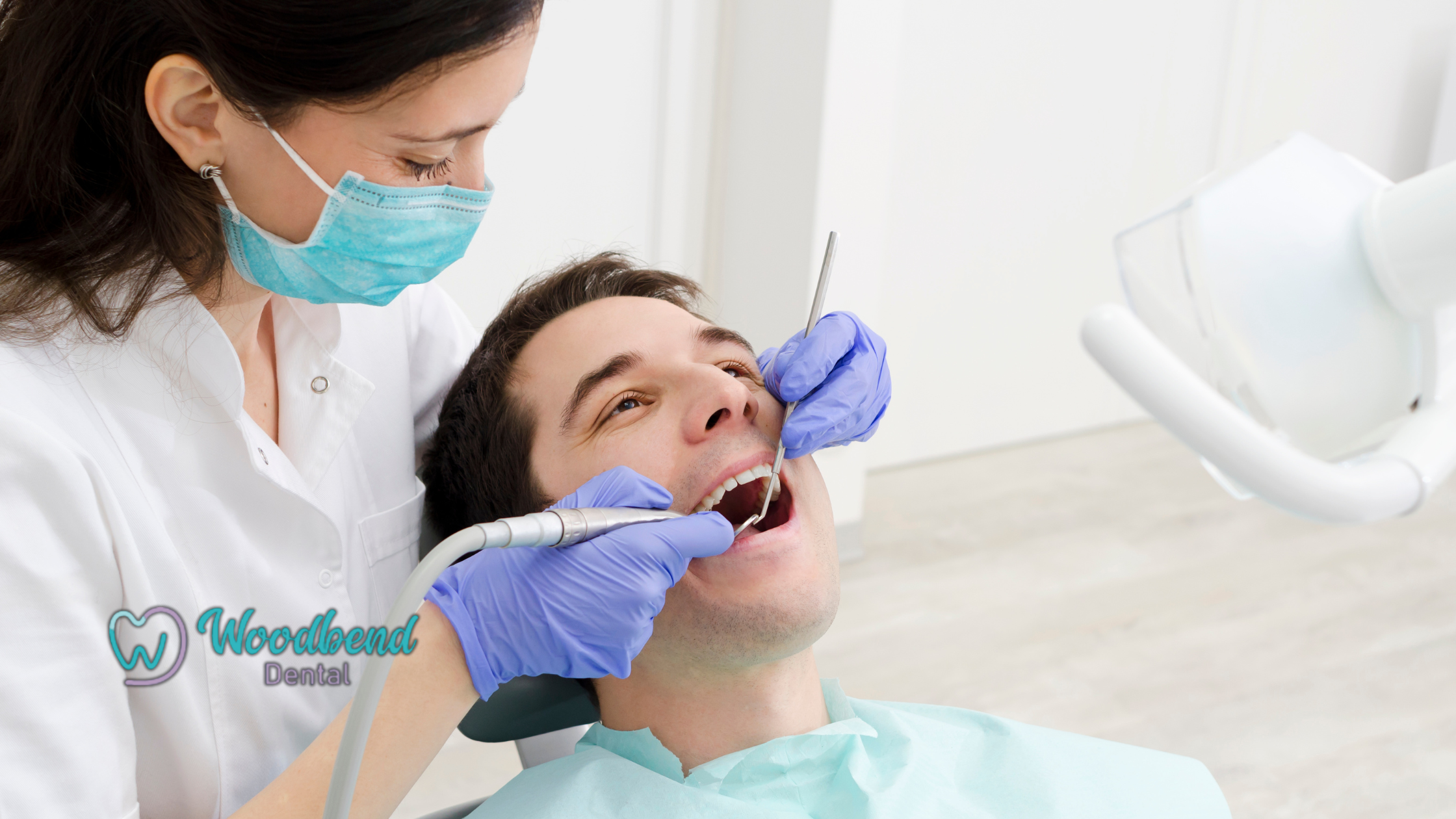
Just like regular exercise keeps your body healthy, preventive dental care is necessary for maintaining your oral health and saving you money in the long run. By investing in routine check-ups, cleanings, and early interventions, you can significantly reduce the risk of severe dental issues that often lead to expensive treatments.
This blog post will explore how prioritizing preventive care not only protects your smile but also helps you avoid costly problems down the road, ensuring that your dental expenses remain manageable.
Key Takeaways
- Preventive dental care reduces the risk of costly treatments by addressing issues early.
- Regular checkups and cleanings maintain oral health and prevent complex problems.
- Investing in prevention improves overall health and lowers long-term dental expenses.
The Financial Burden of Neglecting Dental Health
Neglecting your dental health can lead to a significant financial burden over time. Skipping routine check-ups and cleanings may seem like a way to save money, yet the costs of treating advanced dental issues far outweigh those of preventive care.
“Preventive care is not just about maintaining your oral health—it’s a smart financial decision that spares you the significant expense and stress of advanced treatments.”
– Dr. Manjot Dhaliwal, A Dentist in Leduc, Alberta, Canada
According to the American Dental Association, untreated cavities can lead to more serious problems, which can spiral into expenses for root canals, tooth extractions, and other complex procedures that can easily reach thousands of dollars.
Hidden Costs of Emergency Treatments
Emergency dental treatments often come with steep price tags that catch many off guard. You might think a visit to the dentist for a sudden toothache is merely a one-off expense, but the realities of emergency care can include not just the treatment itself, but often additional costs for follow-up visits, medications, and potential loss of income if time away from work is needed.
Such expenses can add up quickly, creating significant financial stress.
Long-Term Implications of Dental Diseases
Ignoring dental health can lead to severe long-term implications, including chronic pain, loss of teeth, and serious systemic health issues. Research has linked periodontal disease to conditions such as heart disease, diabetes, and respiratory diseases, which can extend health care costs well beyond the dentist’s office.
Additionally, tooth loss can affect your self-esteem and ability to eat, leading to dietary changes and further health complications.
The consequences of undiagnosed or untreated dental diseases can be quite severe. For instance, periodontal disease not only threatens your teeth but can also exacerbate existing health conditions, increasing your long-term healthcare expenses.
Studies show that patients with gum disease often experience higher medical costs due to related complications, making regular dental check-ups a financially sound investment. By maintaining your dental health, you’re likely to avoid the hefty costs of managing these additional health issues that stem from poor oral hygiene.
The Economics of Preventive Care
Investing in preventive dental care can significantly lower your long-term financial burdens. Regular check-ups and cleanings help catch potential issues early, making treatment less complex and costly.
In contrast, neglecting oral health often results in emergencies and expensive procedures that could have been avoided. Simple preventive practices not only improve your health but also translate into meaningful savings over the years.
Lower Immediate Costs Compared to Treatment
| Preventive Care | Treatment Costs |
| Routine cleaning: $100 | Cavity filling: $200 |
| Annual exam: $150 | Root canal treatment: $1,500 |
| X-rays: $90 | Tooth extraction: $300 |
Insurance Benefits and Coverage for Preventive Services
Your dental insurance typically offers full or partial coverage for preventive services like cleanings and exams. These benefits are designed to encourage you to prioritize your oral health, often covering these check-ups 100% at certain intervals, like twice a year.
Utilizing these services not only helps maintain your dental health but also capitalizes on your insurance, reducing overall out-of-pocket expenses.
Most dental insurance plans emphasize preventive care by fully covering routine services such as cleanings, exams, and sometimes even fluoride treatments. By taking advantage of these benefits, you can offset potential future costs and keep your dental health in check, ultimately leading to fewer issues down the line.
Engaging in these preventive measures helps ensure you maximize your insurance coverage and avoid costly unforeseen treatments.
The Connection Between Oral Health and Overall Well-Being
Your oral health extends far beyond your teeth and gums, playing a significant role in your overall well-being. Poor dental health can lead to issues not only in your mouth but throughout your body, affecting areas such as heart health, diabetes management, and even respiratory function.
Maintaining a routine of preventive dental care helps ensure that your oral hygiene supports your bodily functions, contributing to enhanced health and vitality.
Link to Systemic Health Issues
The Impact of Oral Health on Productivity and Quality of Life
Oral health significantly influences your productivity and overall quality of life. Individuals who experience dental pain or discomfort often find it difficult to concentrate at work or engage fully in daily activities.
This discomfort can affect job performance, relationships, and even mental health. Investing in preventive dental measures, such as regular cleanings and check-ups, not only prevents pain and discomfort but also bolsters your emotional well-being and effectiveness in both professional and personal realms.
Beyond just aches and pains, oral health issues can lead to missed days of work and social interactions, greatly impacting your quality of life. Studies have shown that individuals with brighter smiles and better oral hygiene often feel more self-confident and satisfied with their lives.
Investing in preventive care translates into fewer complications that demand time, resources, and emotional energy. By prioritizing your dental health now, you pave the way for a healthier, more productive future where you can fully engage in all aspects of life without distraction or discomfort.
Strategies for Effective Preventive Dental Care
Implementing effective preventive dental care involves a combination of professional services and personal responsibility. By staying proactive about your oral health through routine appointments and proper at-home care, you can significantly reduce the risk of costly dental treatments down the line.
Small investments in your daily routine and regular check-ups can yield substantial savings and enhance the longevity of your smile.
Routine Check-Ups and Cleanings
Scheduling regular dental check-ups and cleanings, typically every six months, is a fundamental strategy to maintain your oral health. These appointments allow your dentist to monitor your teeth and gums for any issues, perform professional cleanings, and provide early interventions if needed.
Through consistent care, you can catch problems before they escalate into more serious, and expensive, conditions.
Home Care Practices That Make a Difference
Daily home care practices play a pivotal role in your oral hygiene. Brushing your teeth twice daily with fluoride toothpaste, along with flossing at least once a day, helps remove plaque and prevent decay. Additionally, incorporating an antimicrobial mouthwash can further aid in reducing bacteria in your mouth. These simple yet effective techniques serve as the first line of defense against dental issues.
To enhance your home care routine, consider investing in an electric toothbrush which has been shown in studies to remove up to 21% more plaque than manual brushing. Aim to replace your toothbrush every three months or sooner if the bristles fray.
Furthermore, consuming a balanced diet rich in vitamins and minerals, particularly calcium and vitamin D, strengthens your teeth and supports overall health. Engaging in these proactive measures not only maintains your oral hygiene but can prevent the need for more costly dental procedures in the future.
Shifting Perspectives: Investing in Your Smile
Understanding dental care as a wise investment in your future can transform your approach to oral health. Each time you schedule a check-up or a cleaning, you not only protect your smile but also enhance your overall health and reduce the risk of costly procedures down the line. With regular care, you can maintain healthy teeth that serve you well into old age, avoiding expenses that could rise to thousands of dollars for unexpected treatments.
Viewing Dental Care as an Investment Rather Than an Expense
Shifting your mindset to view dental care as an investment allows you to appreciate its long-term benefits. Small, consistent payments for preventive visits can save you significant amounts compared to the financial burden of extensive restorative work.
By prioritizing your oral health, you’re importantly protecting your wallet against future higher costs and preserving the quality of your life.
Encouraging a Culture of Preventive Care Among Communities
Fostering a culture of preventive care within your community can enhance overall oral health and reduce collective healthcare costs. Initiatives like community dental health workshops and school-based dental education programs teach children and adults alike about the importance of regular check-ups, proper brushing techniques, and nutritional choices that support oral health.
Engaging communities through outreach and education leads to better dental habits, ensuring families prioritize preventive care from an early age. When people are informed, they make healthier choices, ultimately reducing the prevalence of dental diseases in the community.
Consider how local partnerships with schools, health organizations, and dental professionals can create events that provide screenings, free dental care days, or seminars. By promoting this collective responsibility toward oral health, communities can significantly lower costs associated with emergency dental procedures and enhance quality of life for all members.
Conclusion
From above, it is clear that investing in preventive dental care can significantly lower your long-term costs. By addressing issues early, you can avoid the need for more extensive and expensive treatments down the line.
Regular check-ups and cleanings help maintain your oral health and identify potential problems before they escalate. This proactive approach saves you money and helps you retain your natural teeth, leading to better overall health.
Prioritizing preventive care is a smart financial decision that pays off in the long run.
Ready to invest in your long-term health and financial well-being? At Woodbend Dental in Leduc, Alberta, Canada, our comprehensive preventive care approach helps you avoid costly treatments while maintaining optimal oral health. Book your consultation today and let us show you how preventive care is the smartest investment you can make for your smile.